clean steel campaign
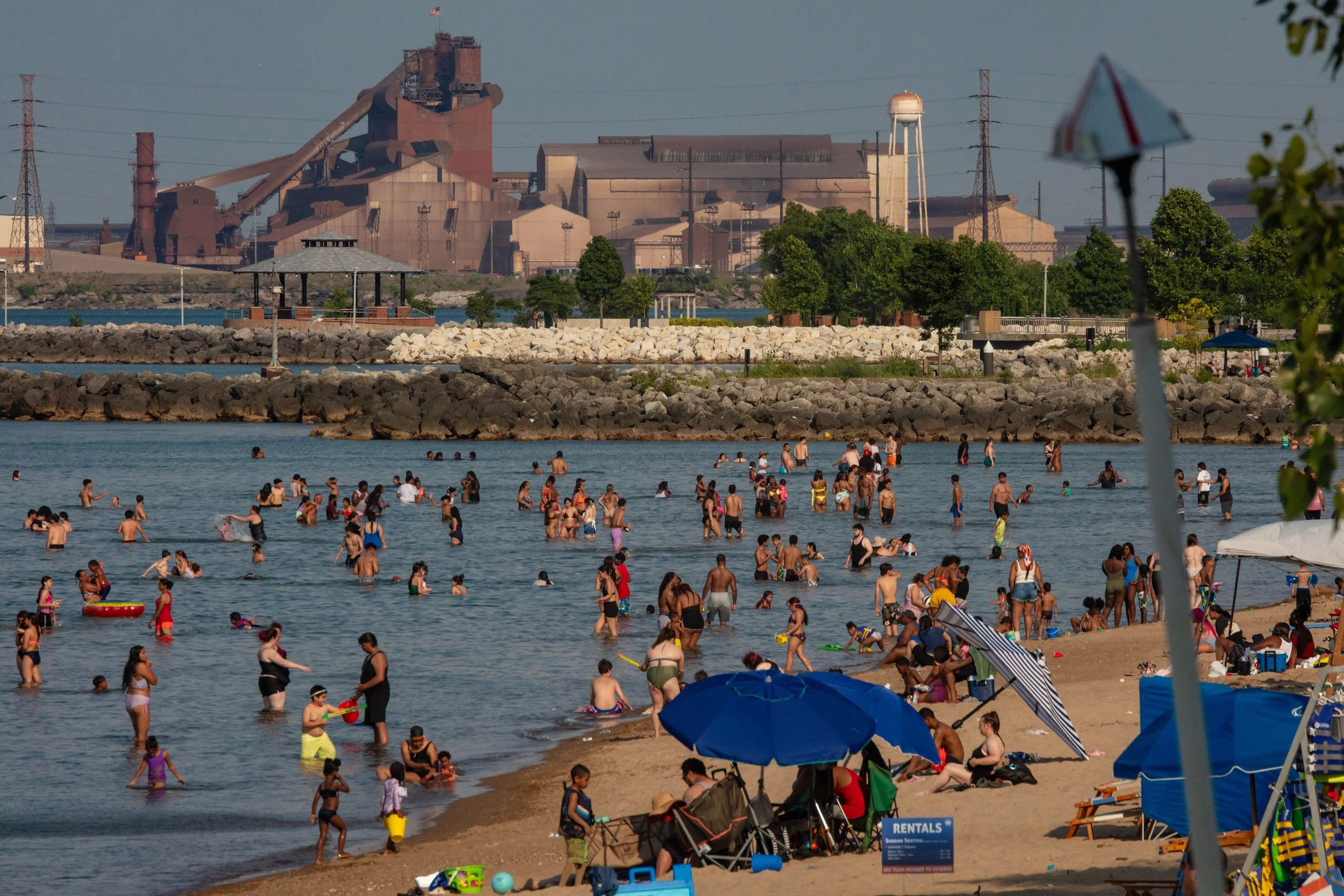
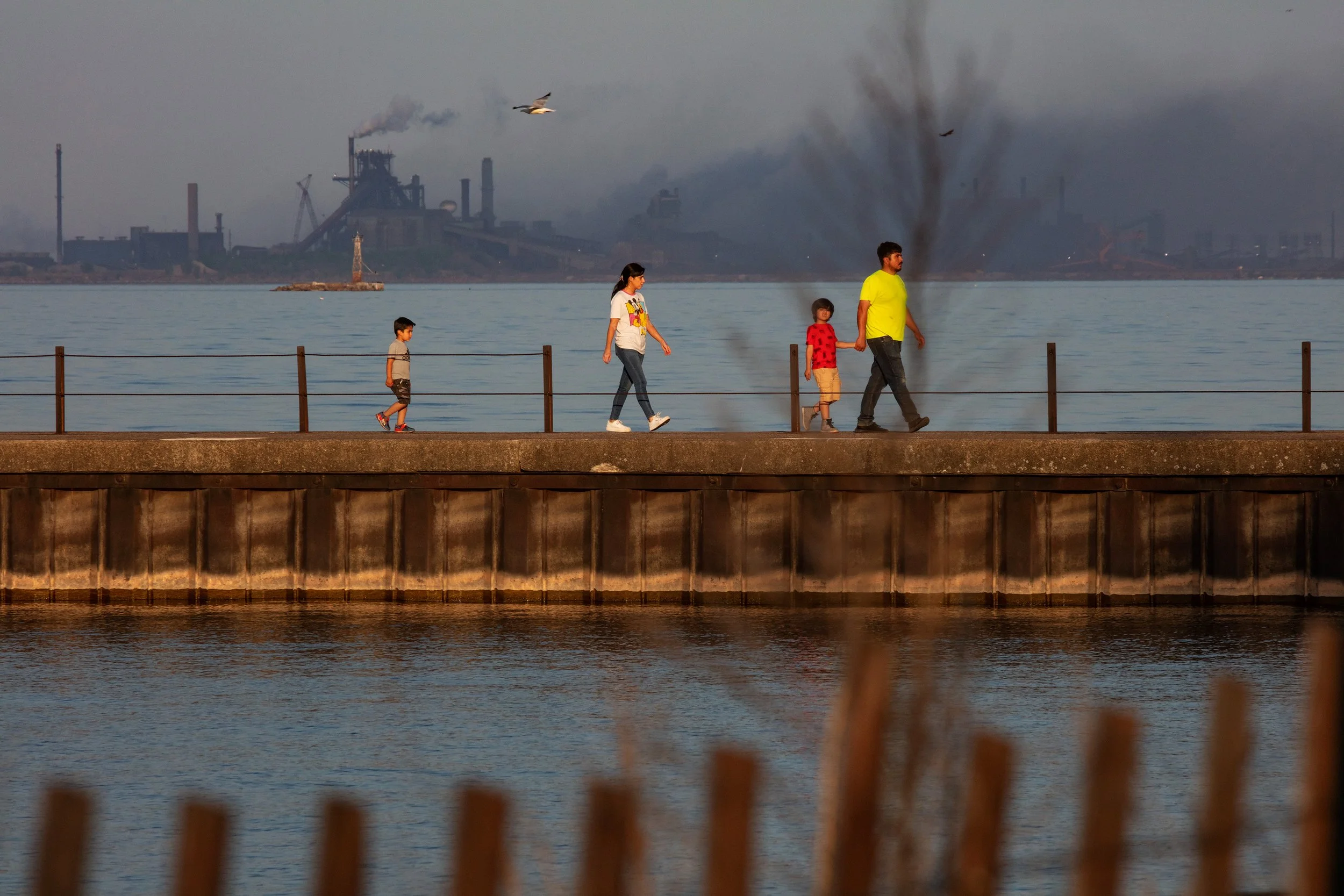
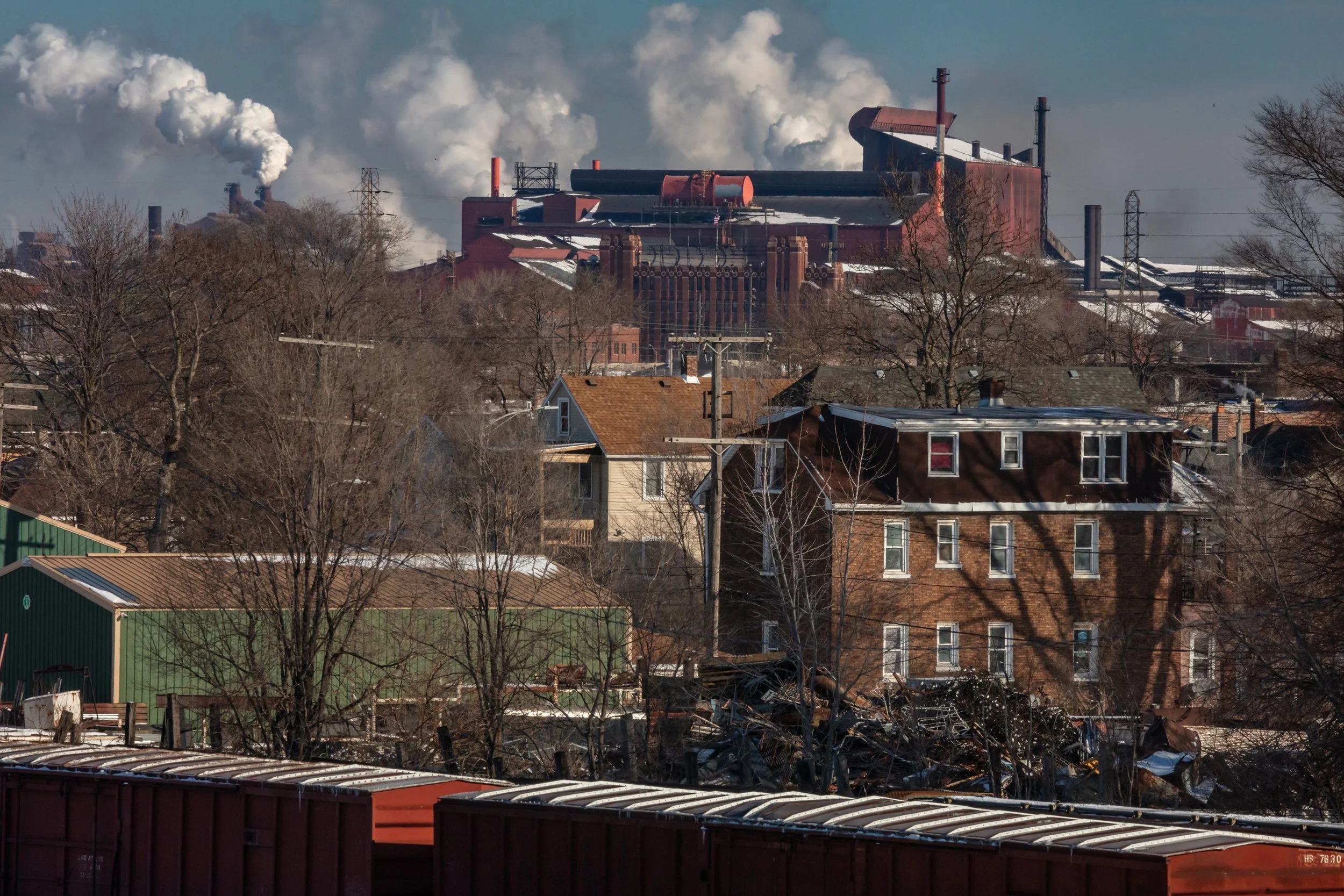
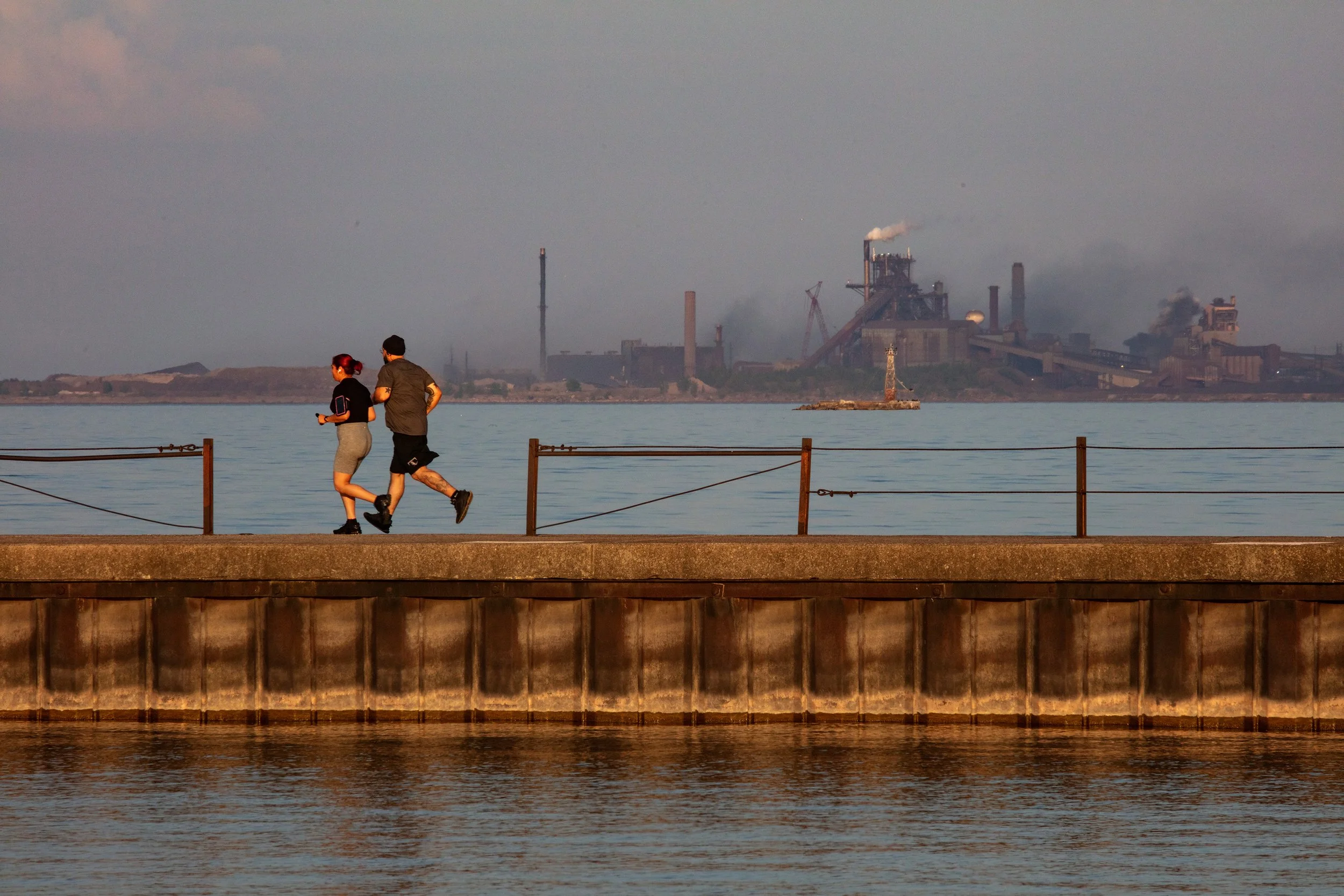
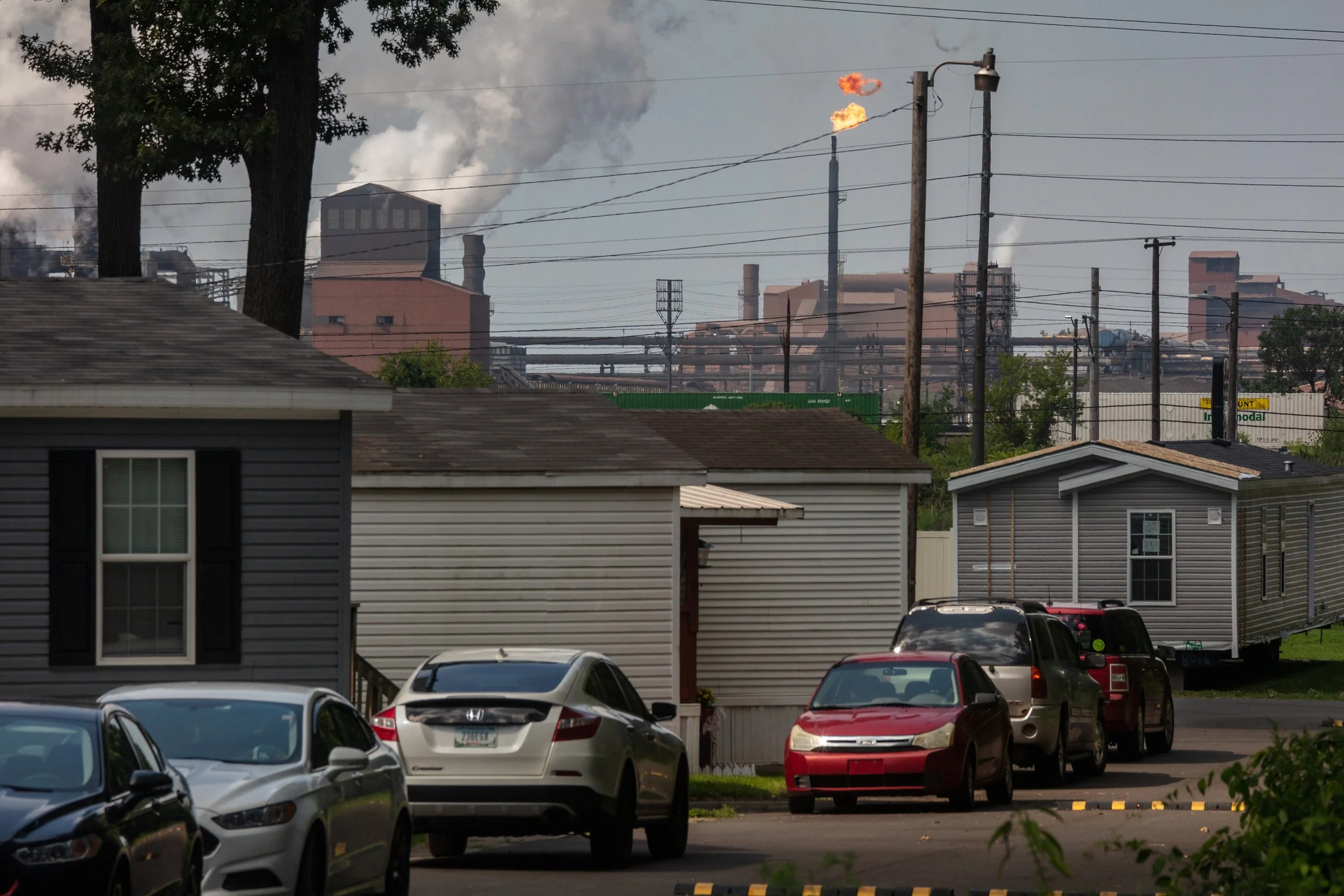
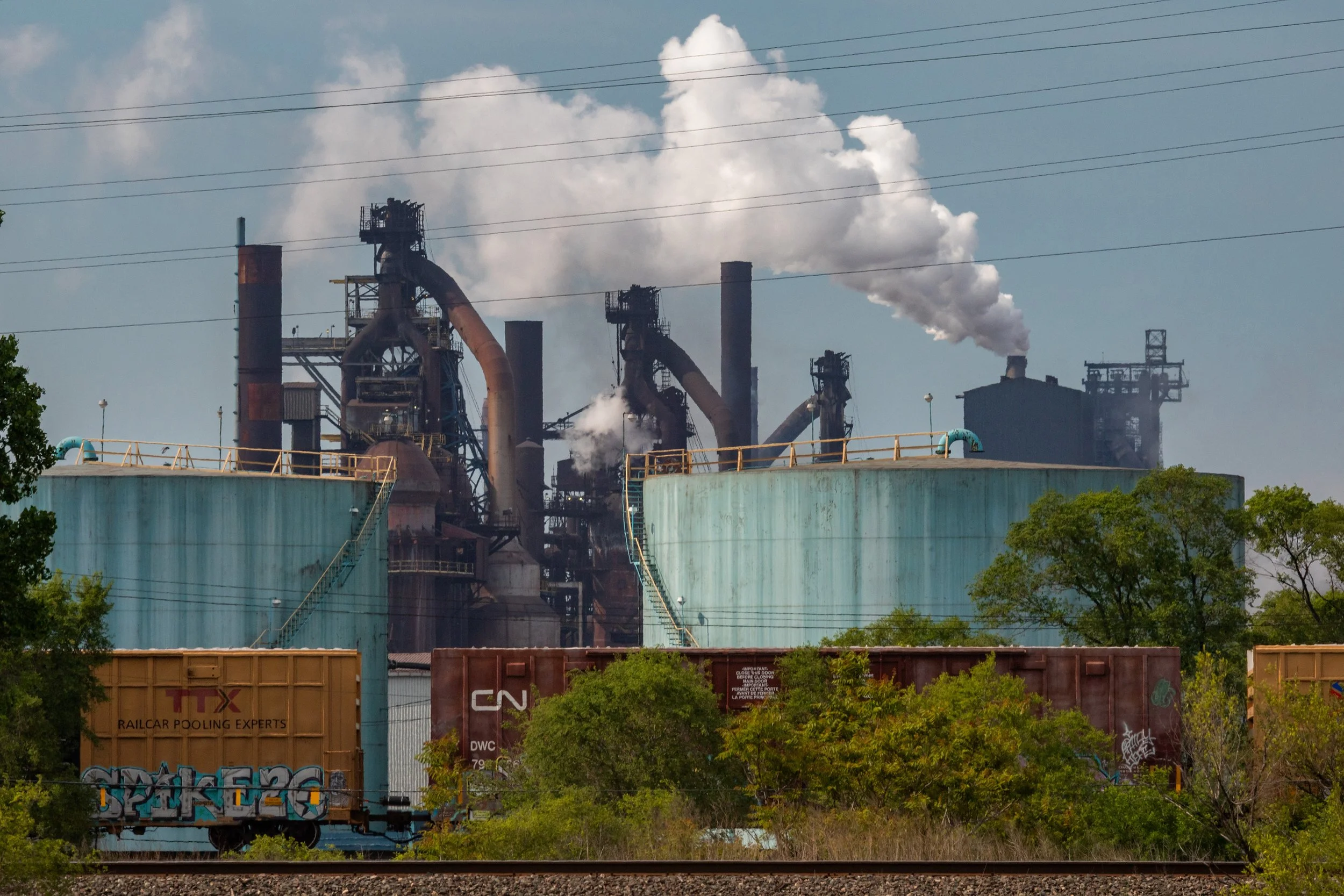
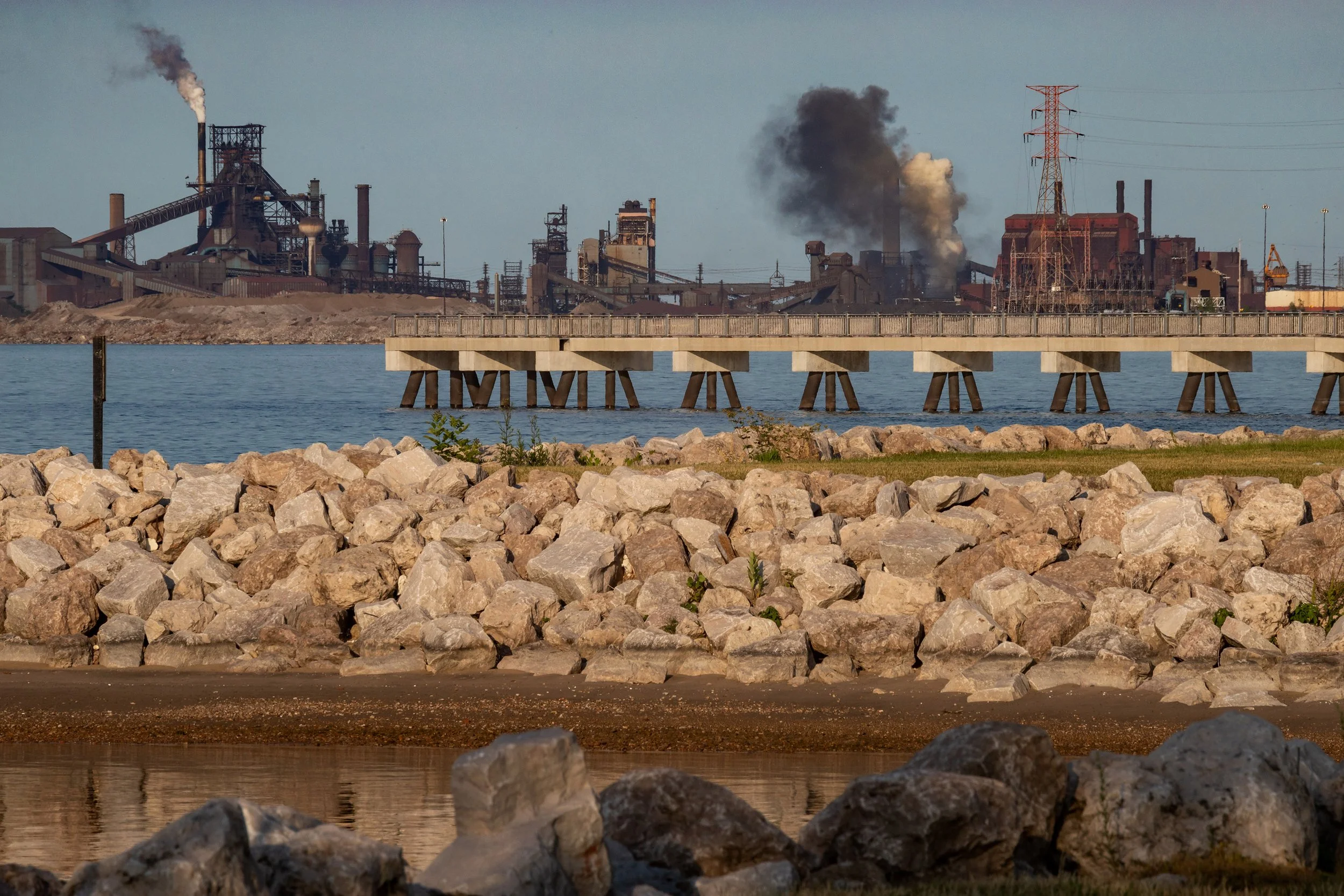
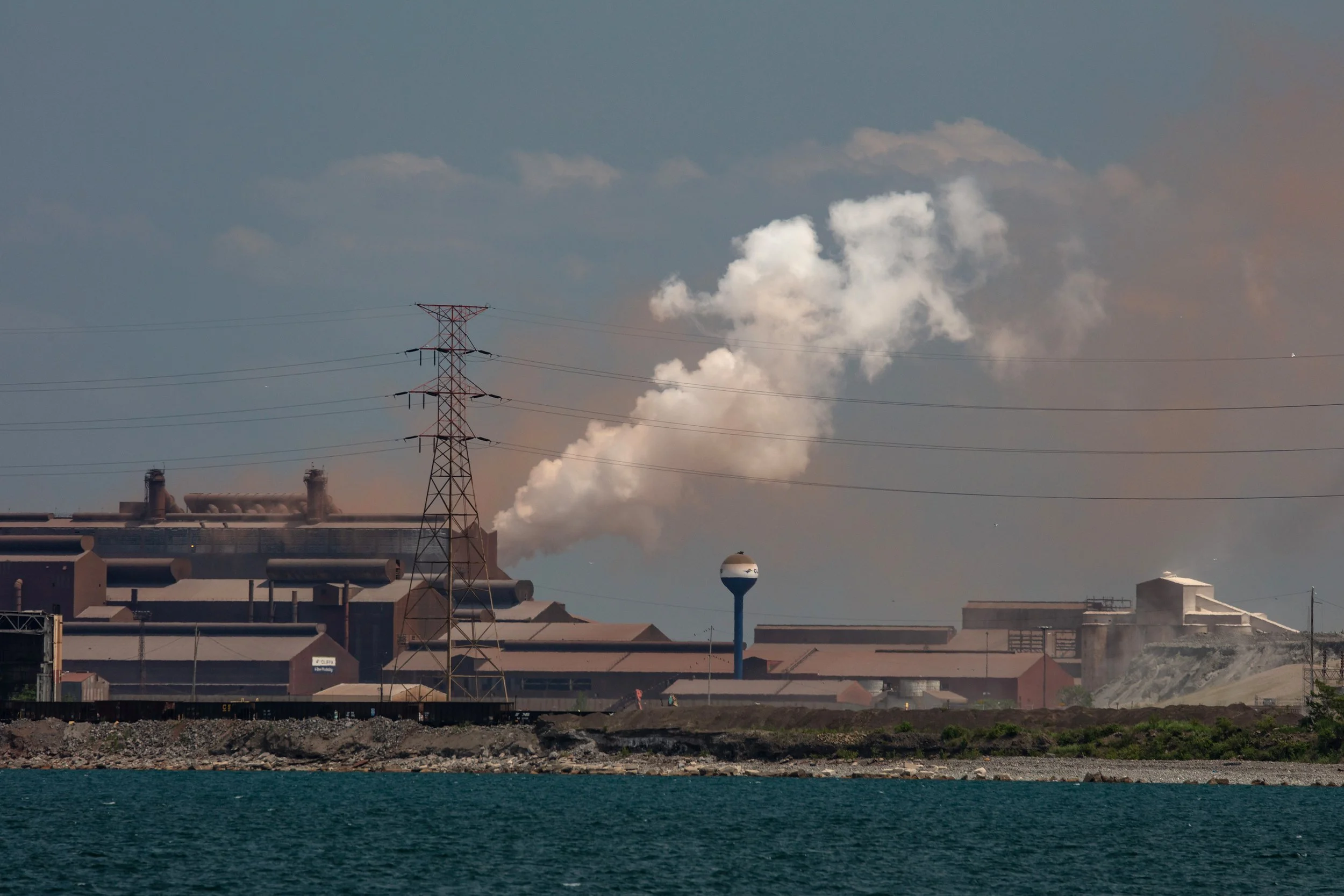
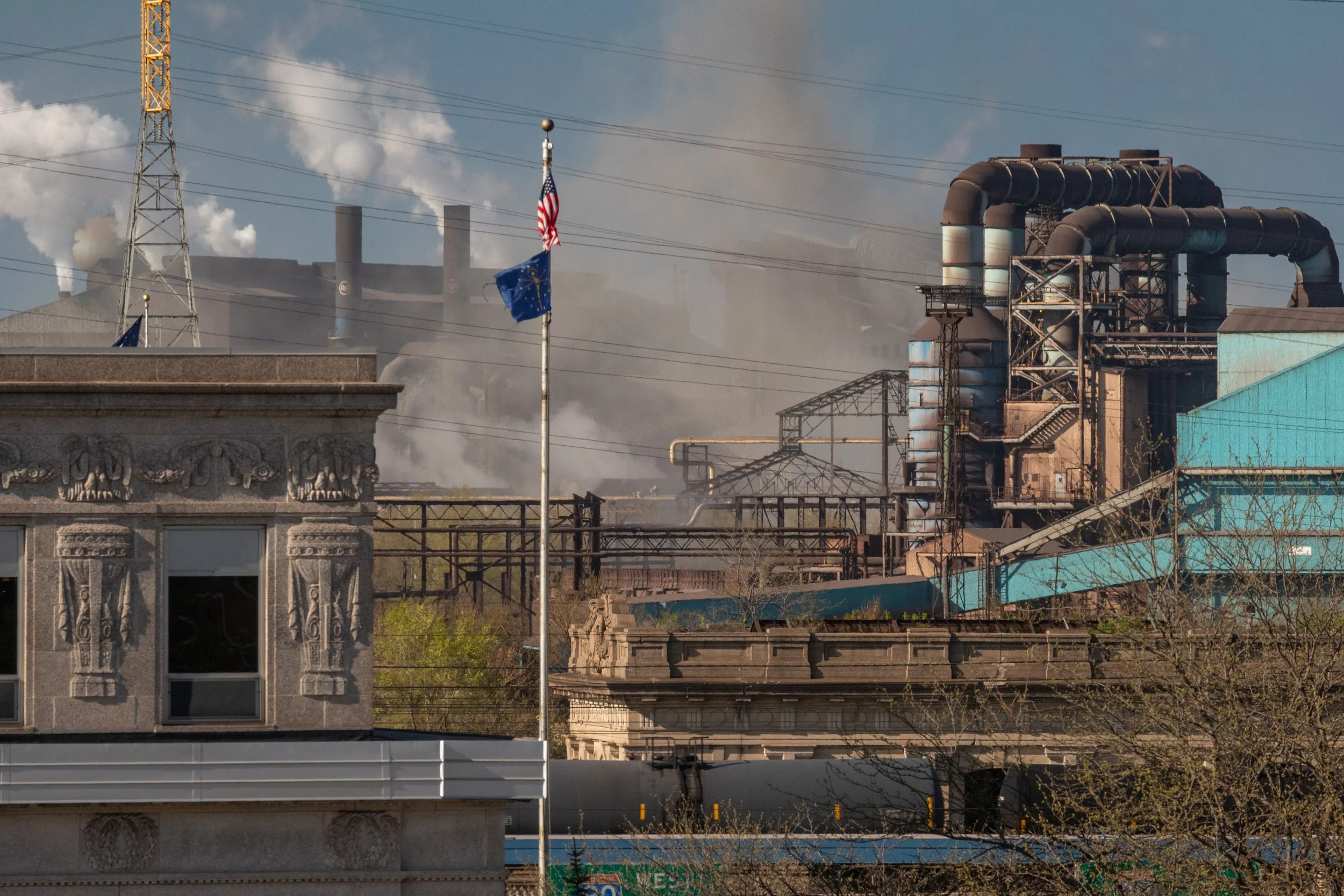
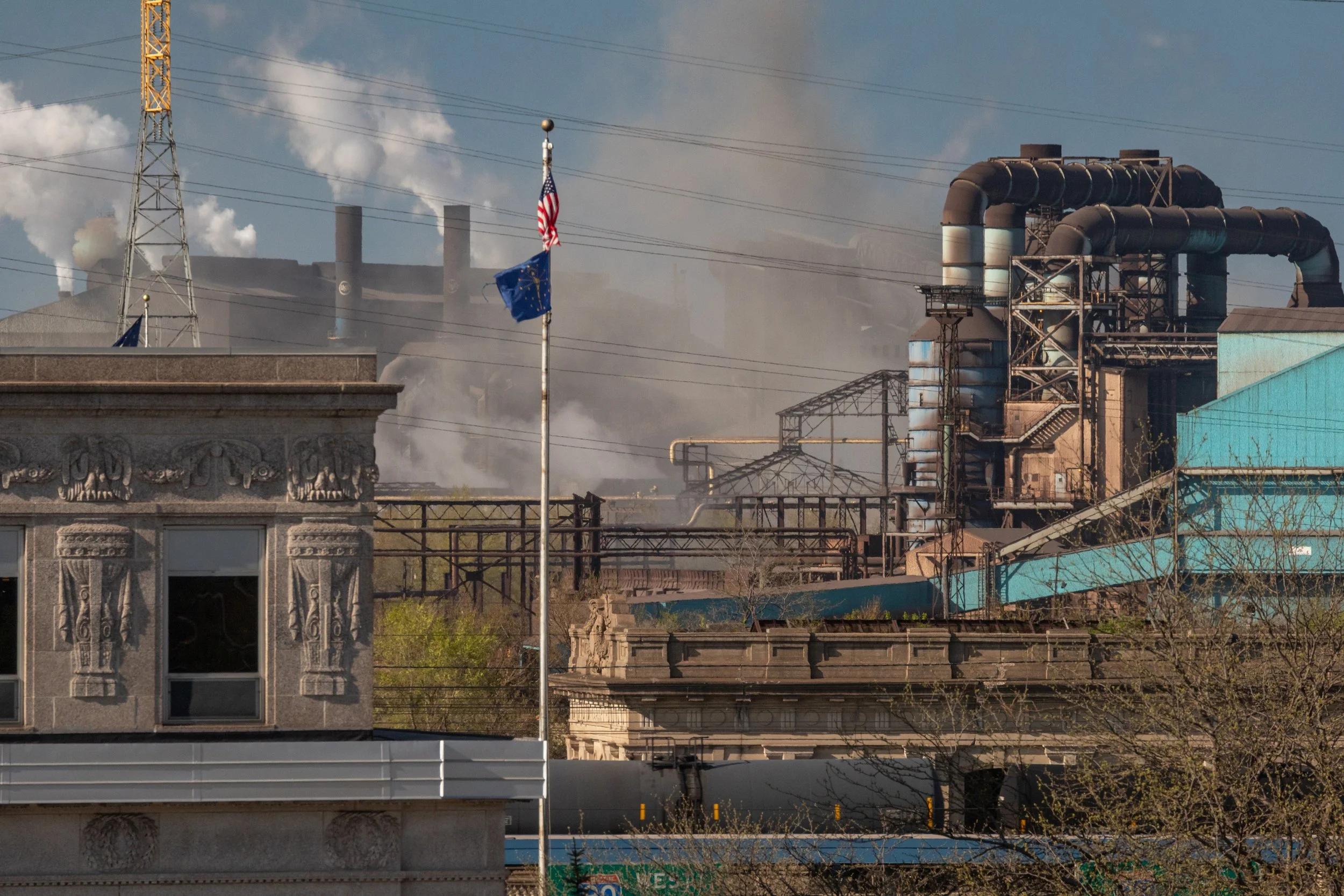
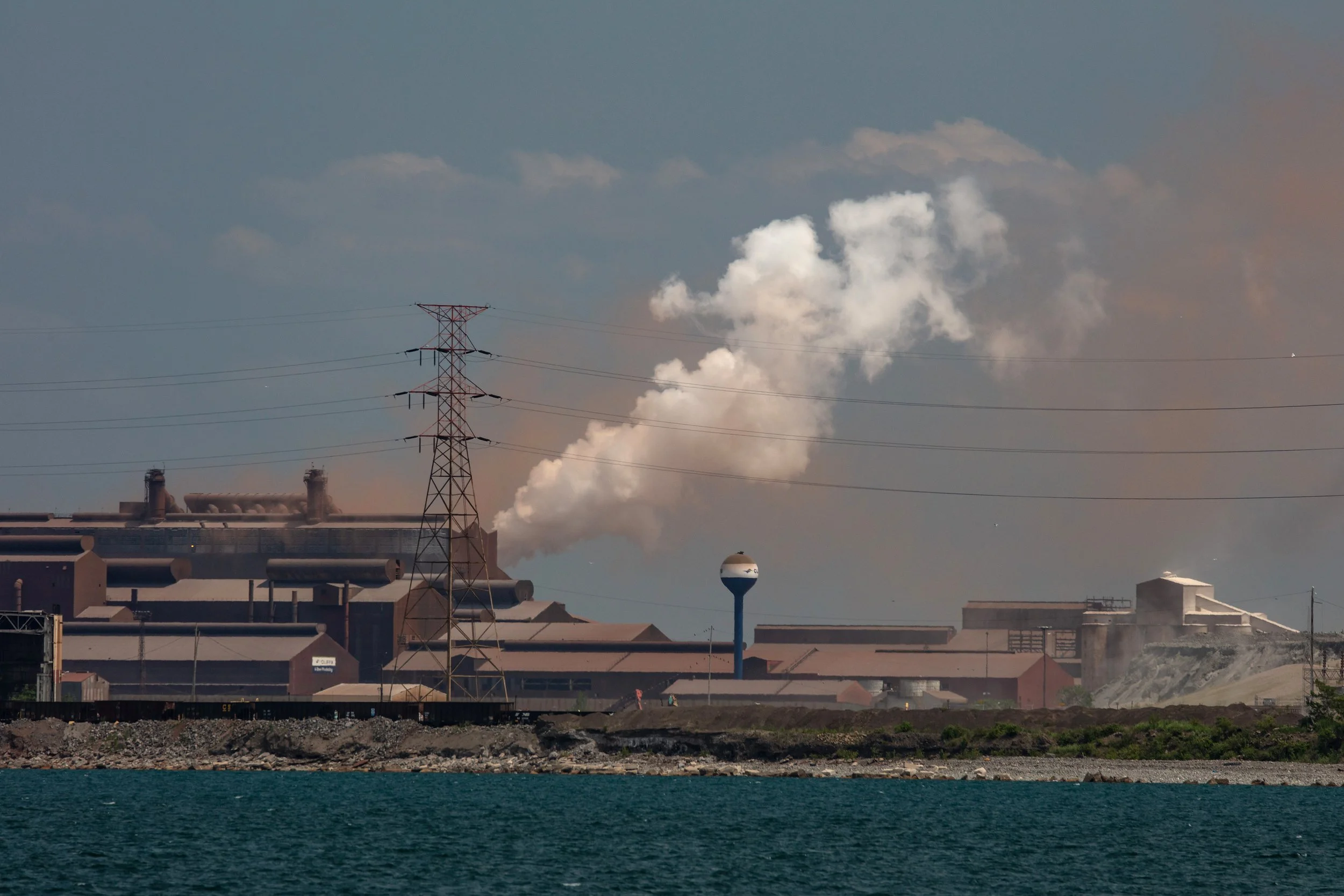
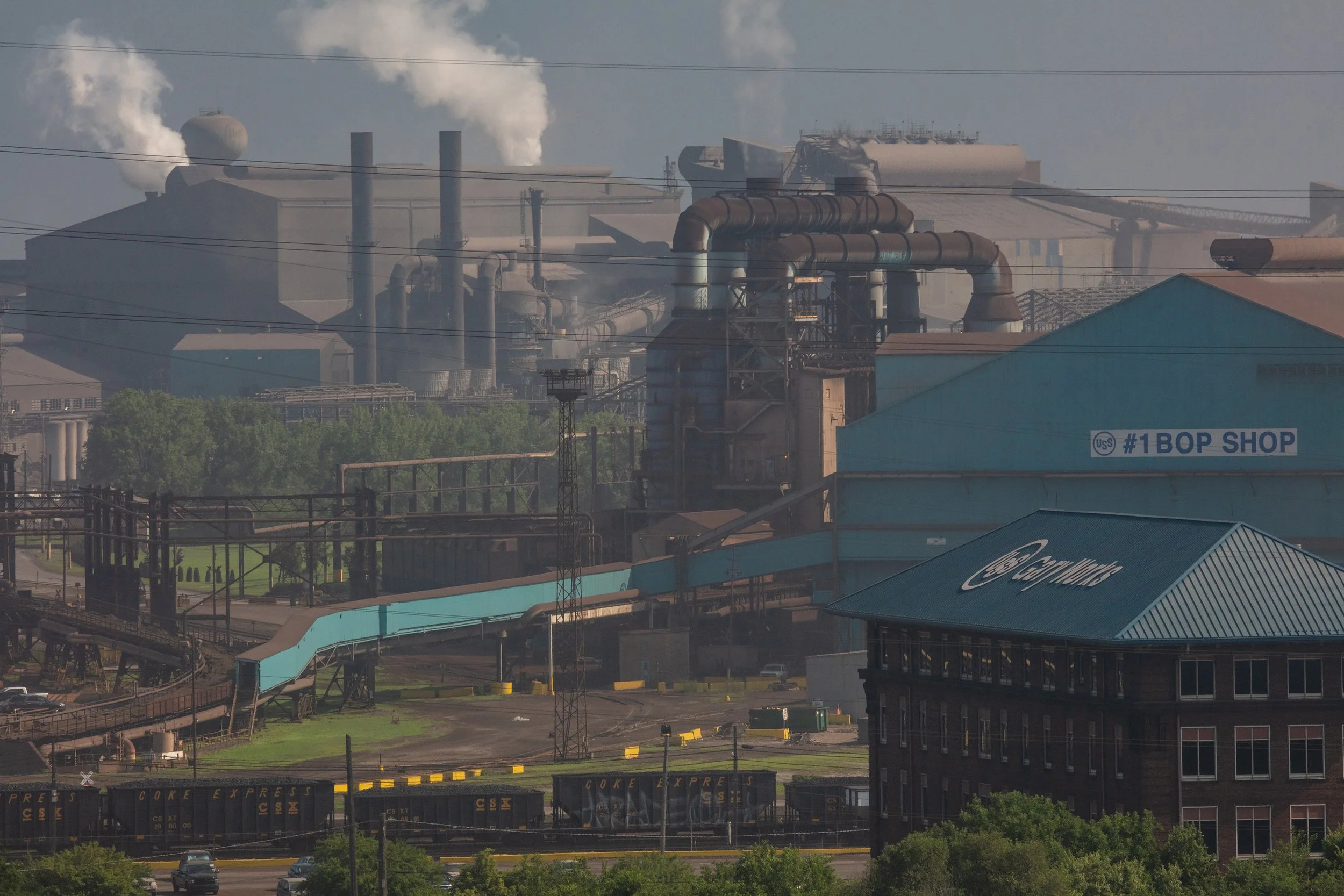
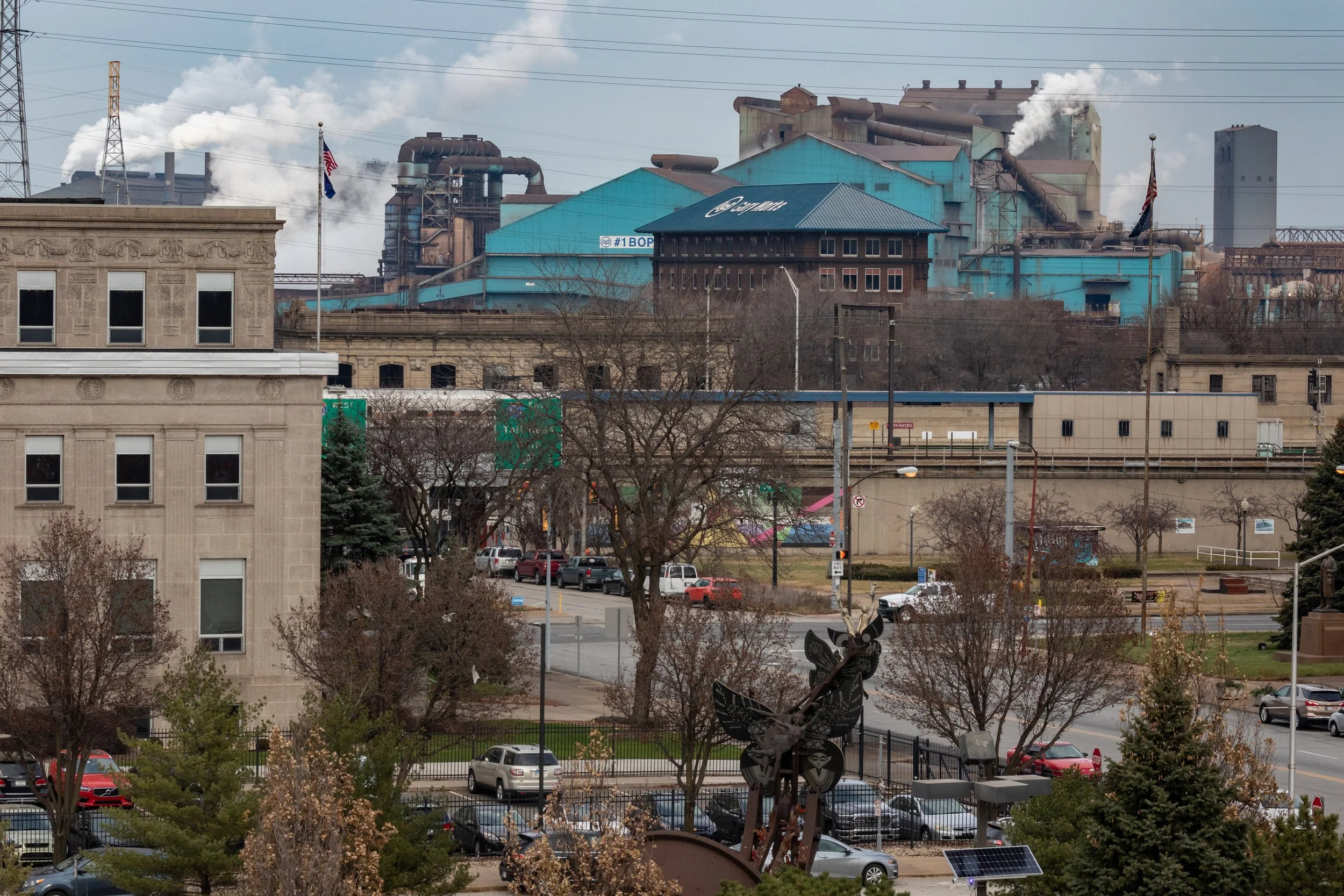
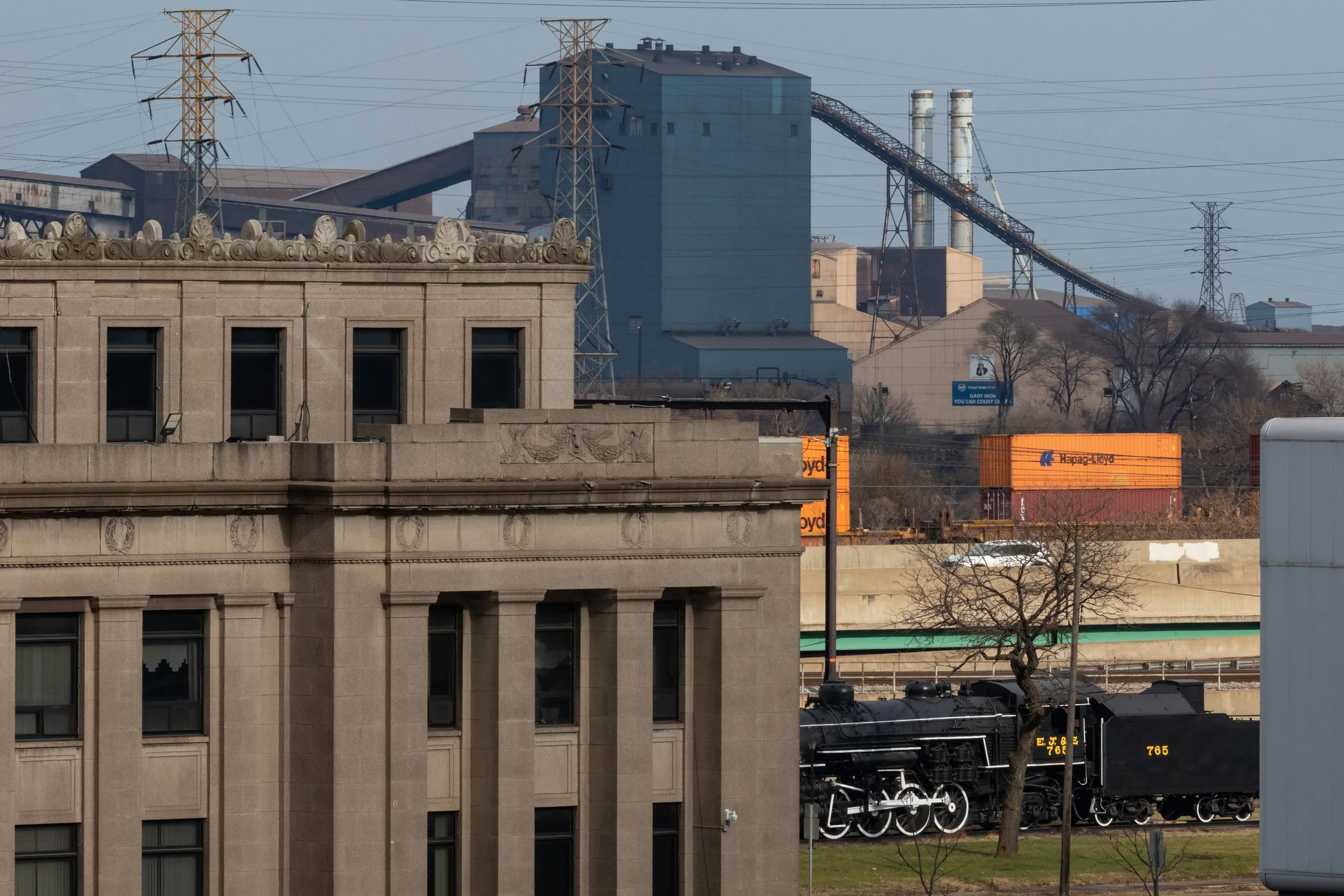
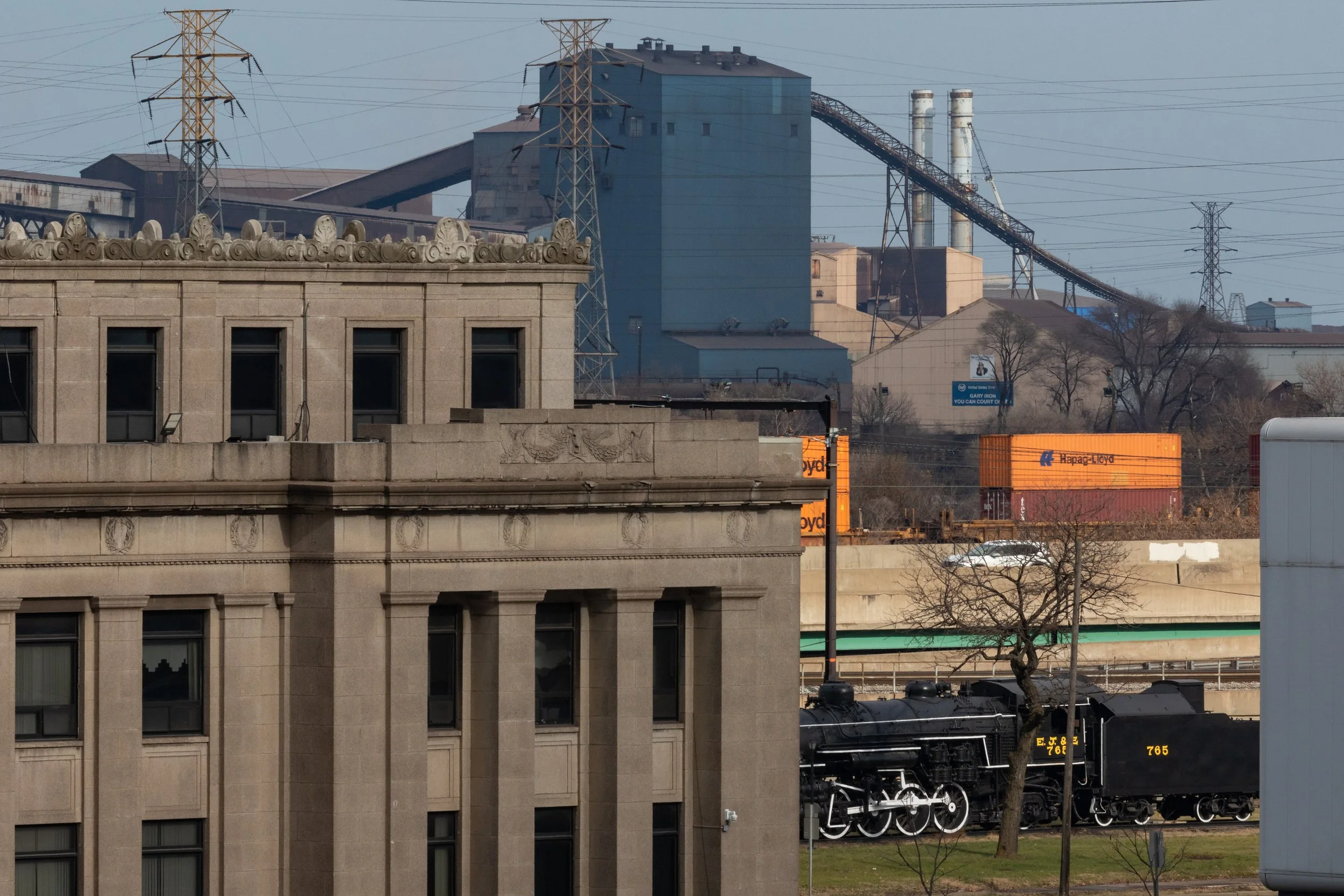
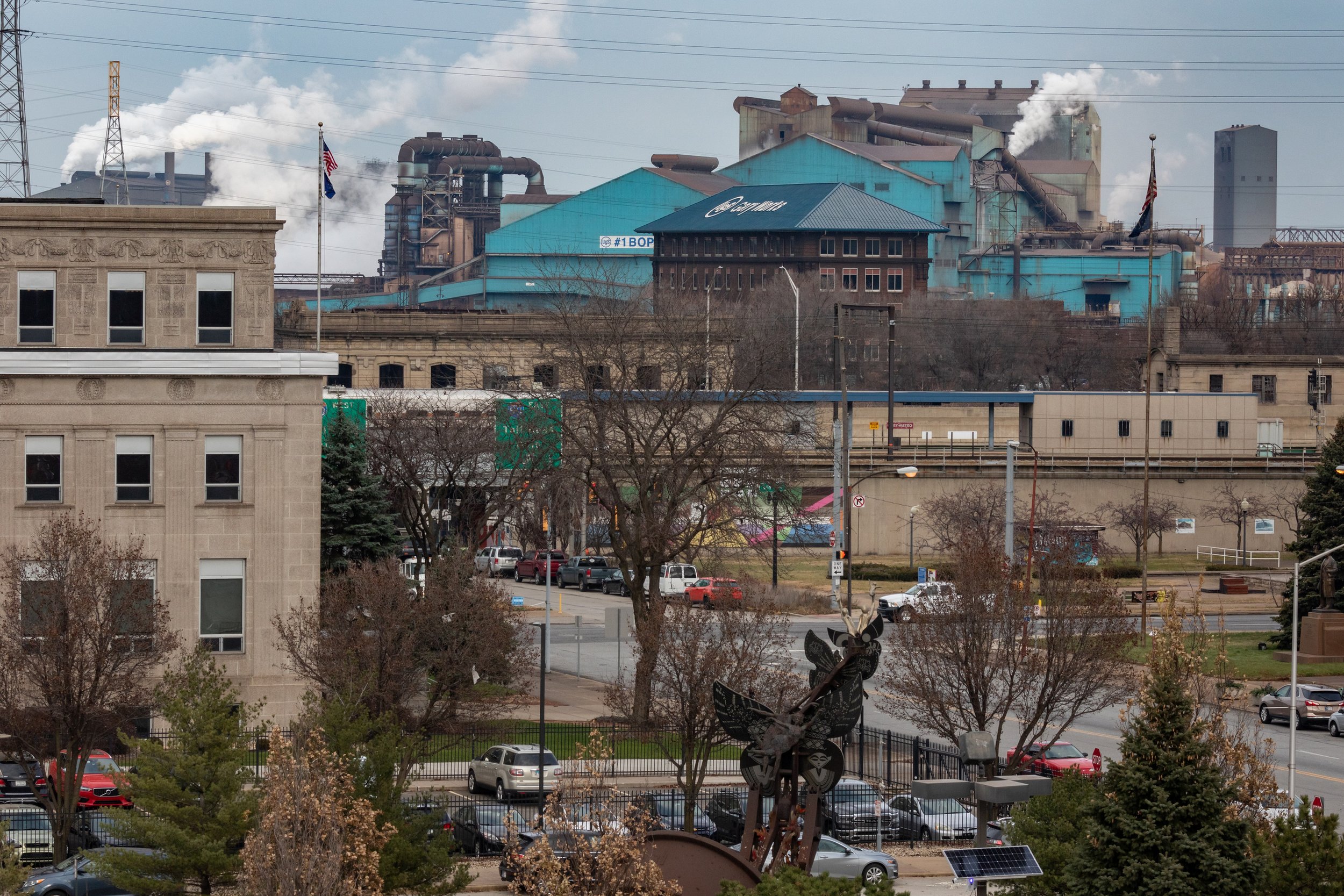
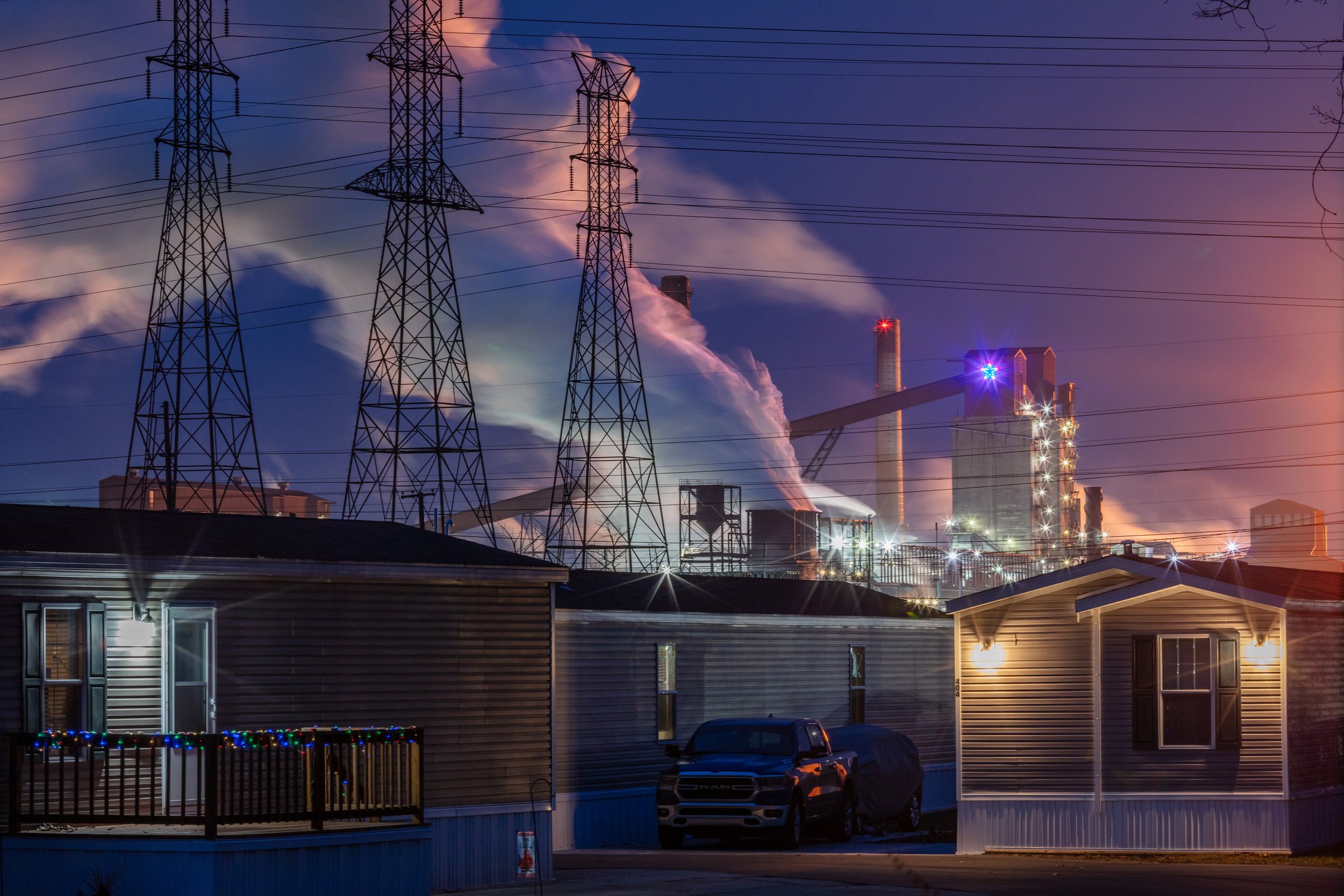
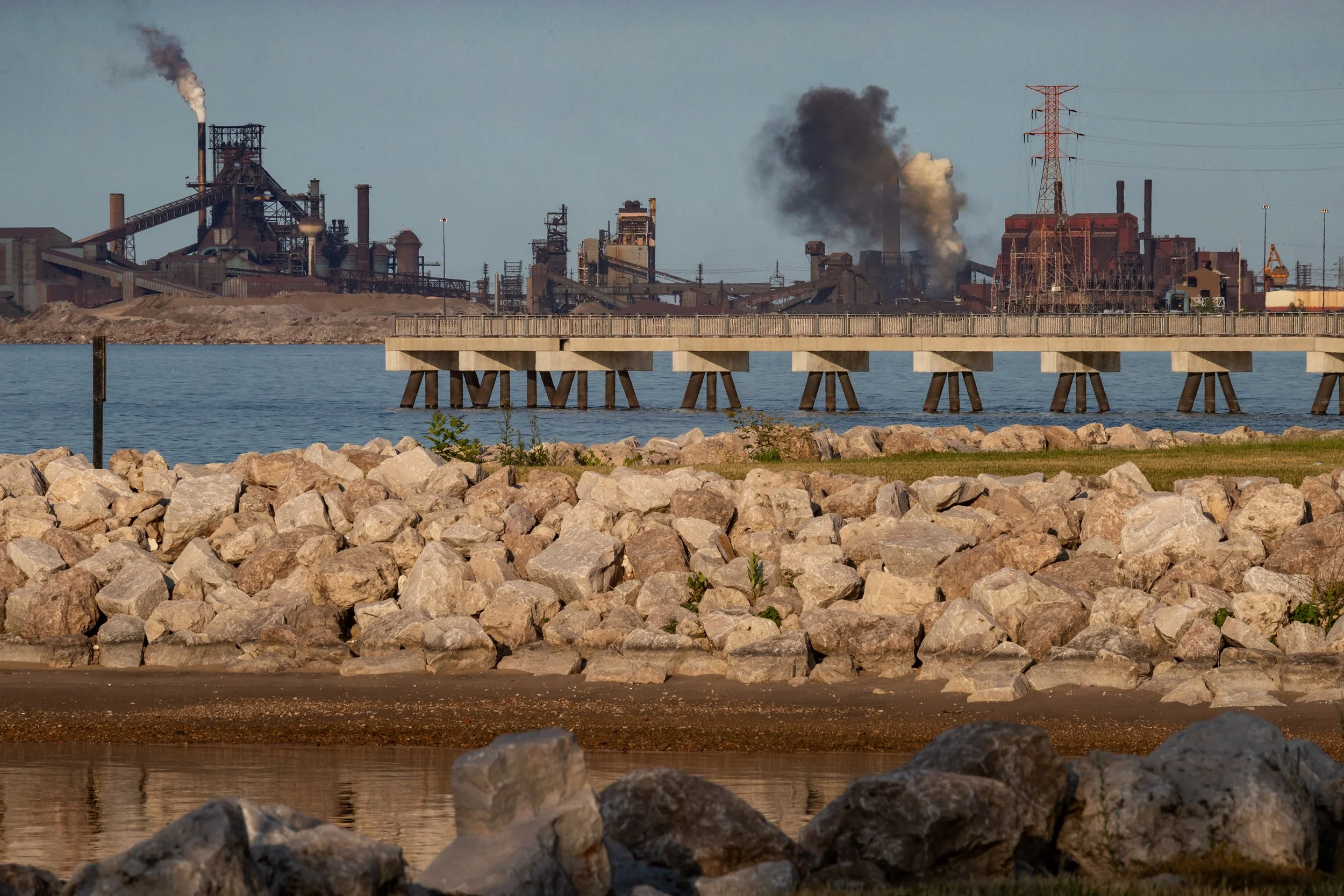
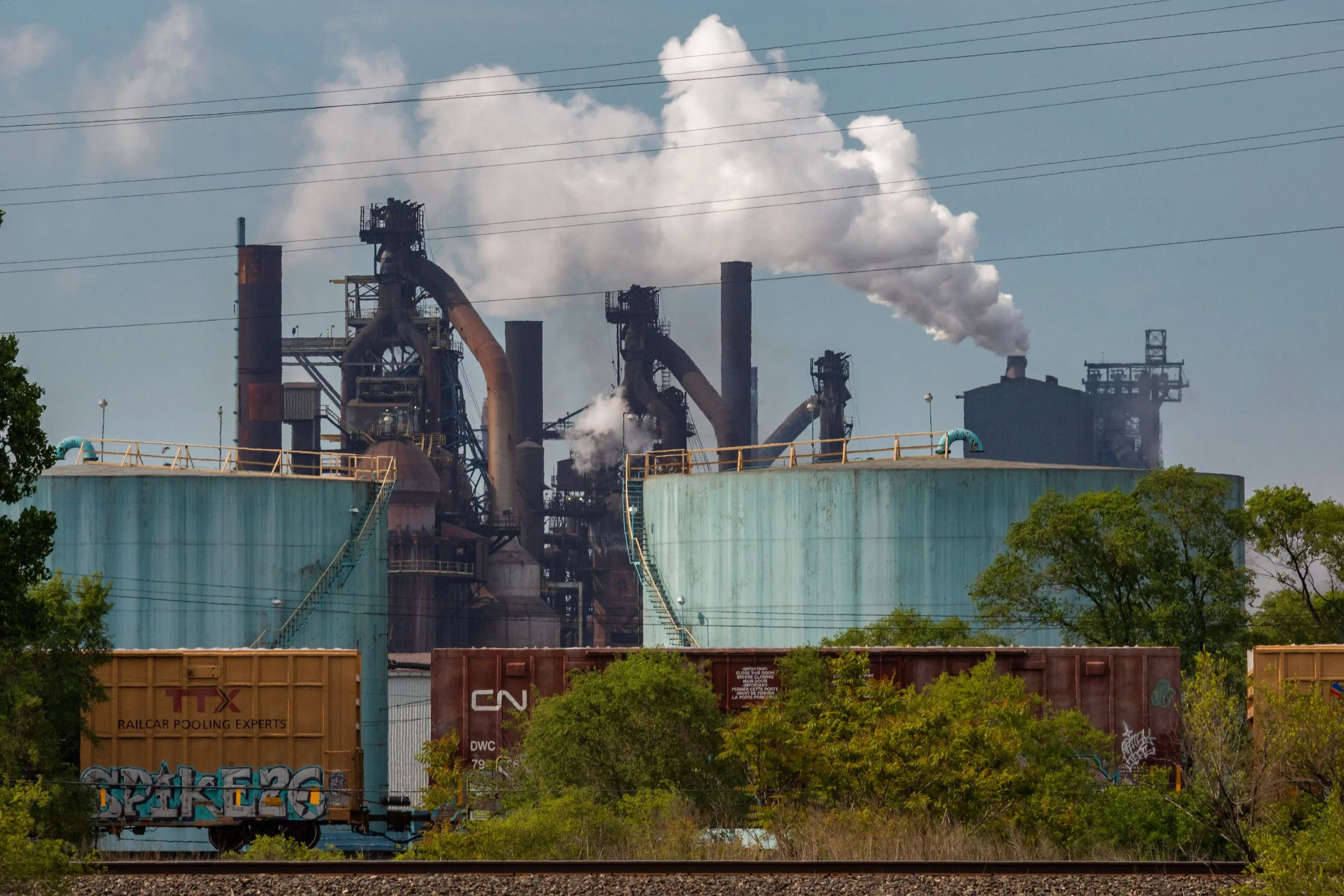
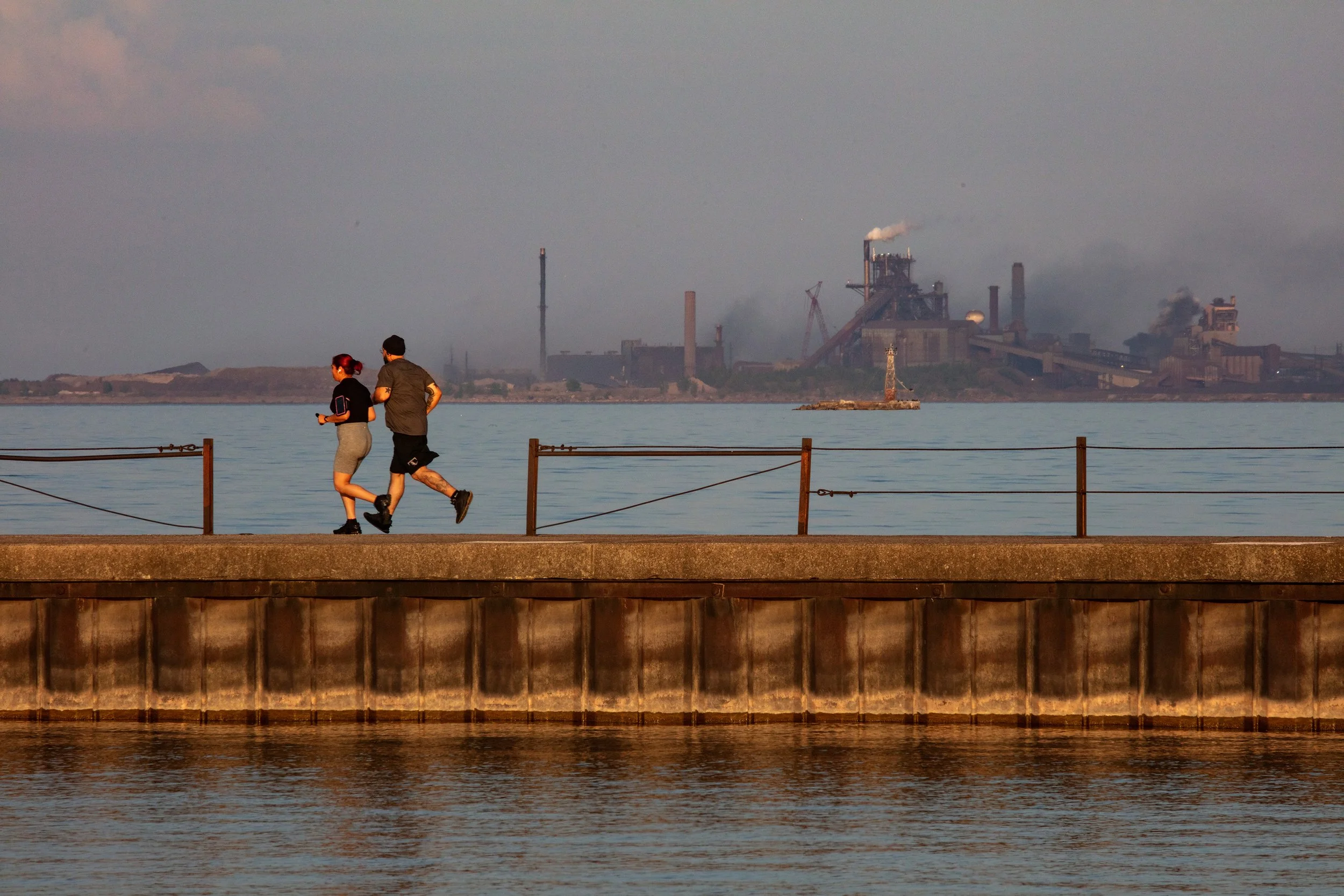
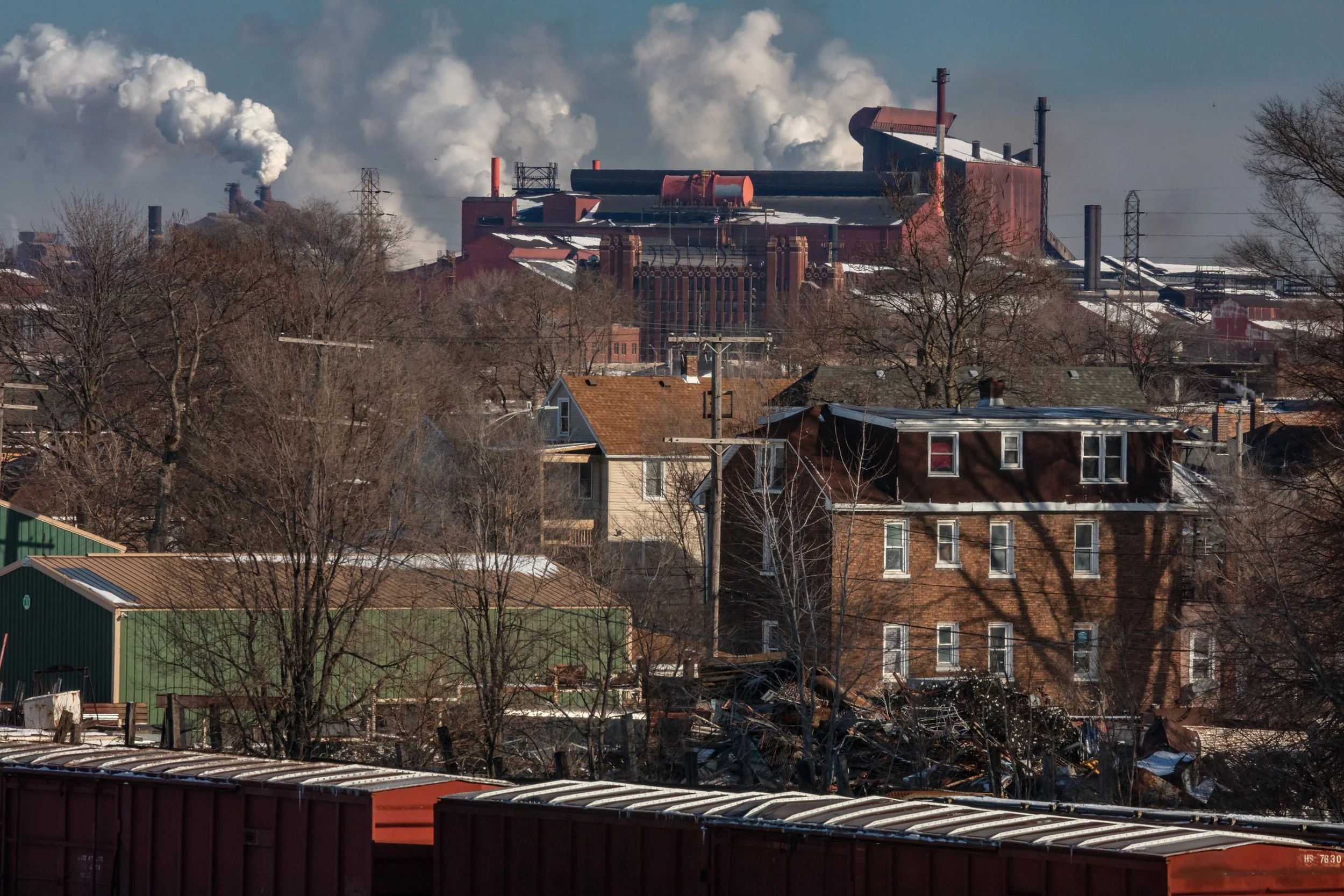
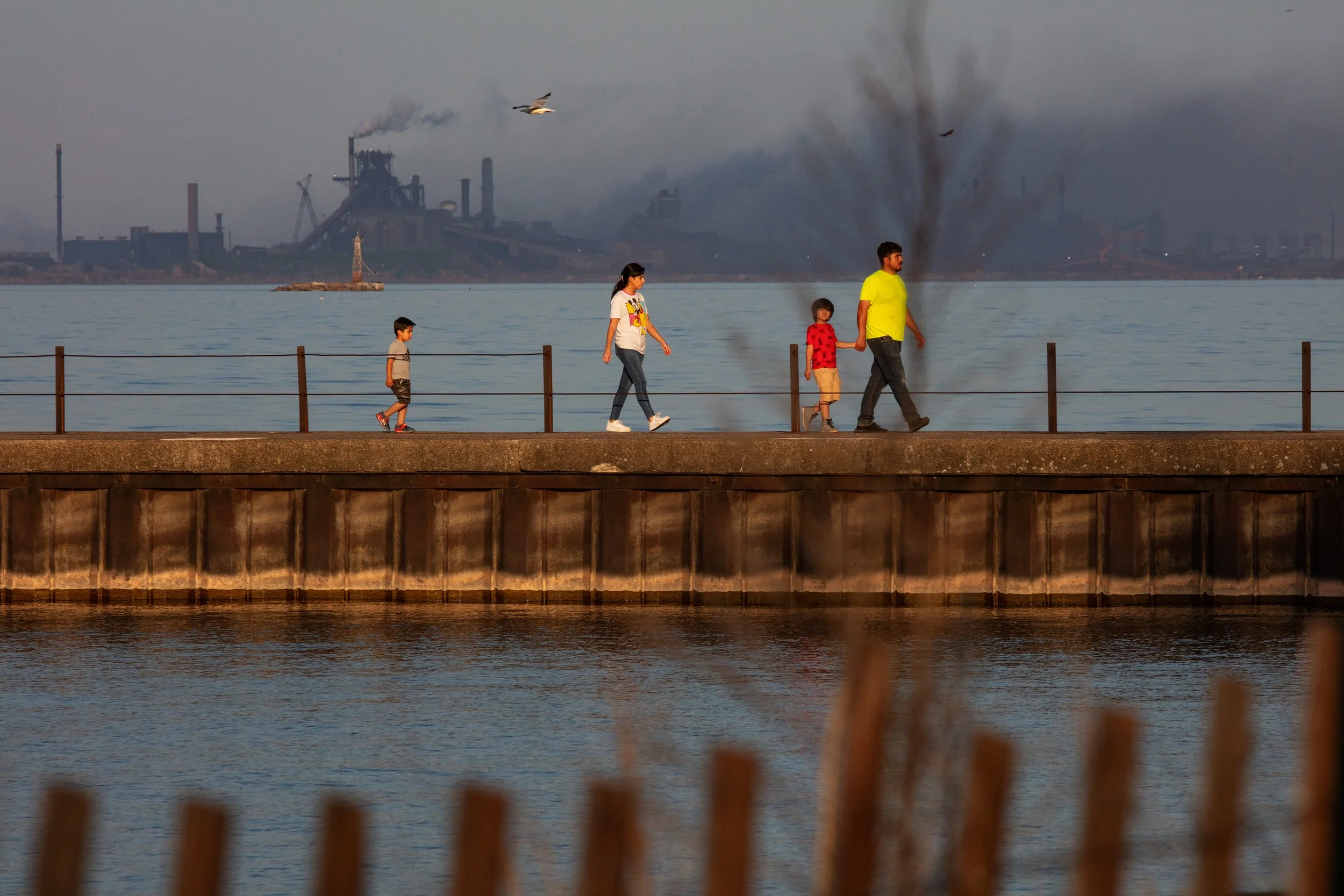
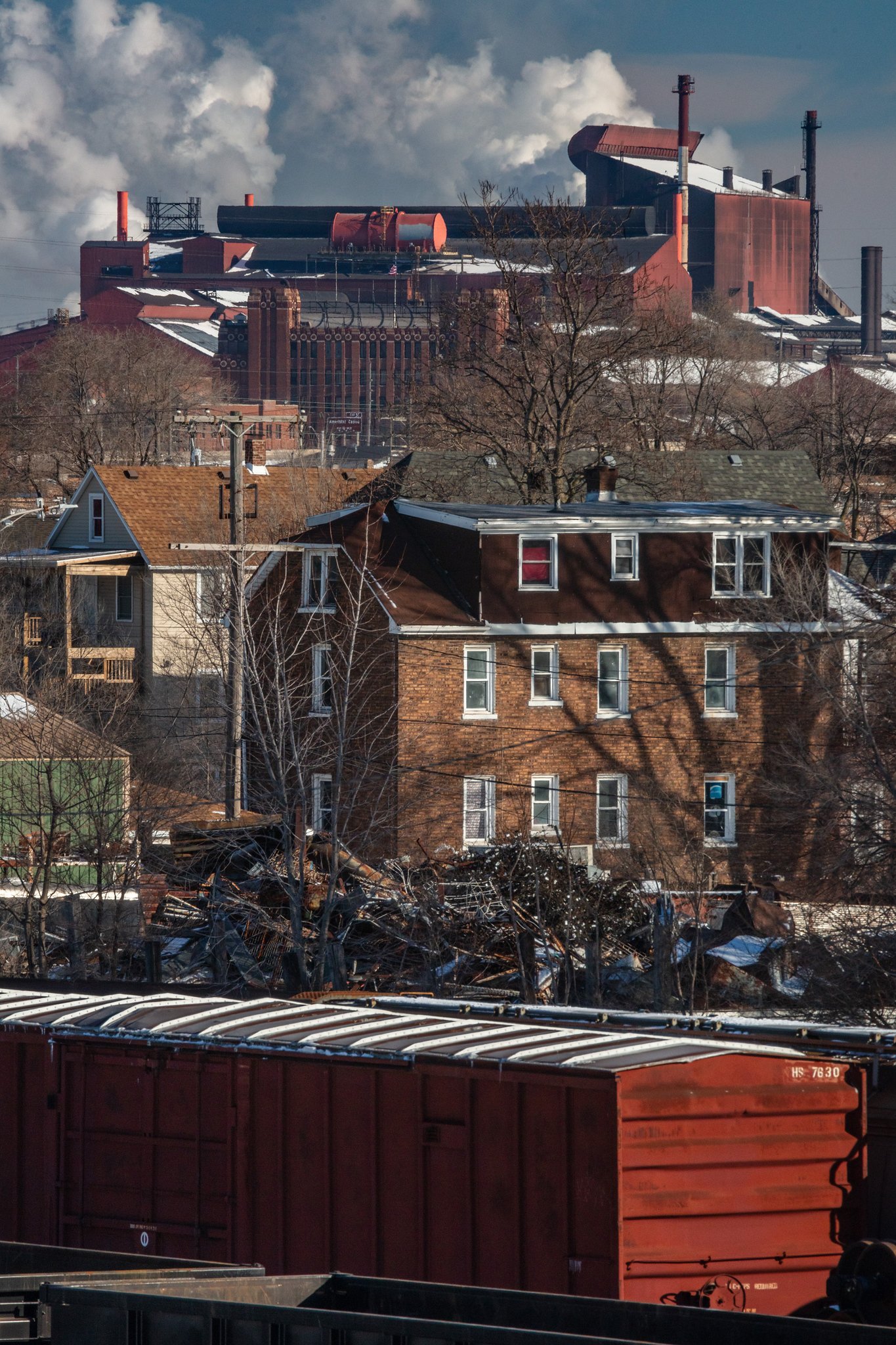
Northwest Indiana is home to three of the nation’s seven remaining primary steel mills: Burns Harbor, Indiana Harbor (east and west), and Gary Works, which together produce roughly 47% of U.S. primary steel. Yet these facilities still rely on outdated coal-based blast furnace technology that has changed little in over a century and is rapidly becoming obsolete compared with cleaner, modern alternatives.
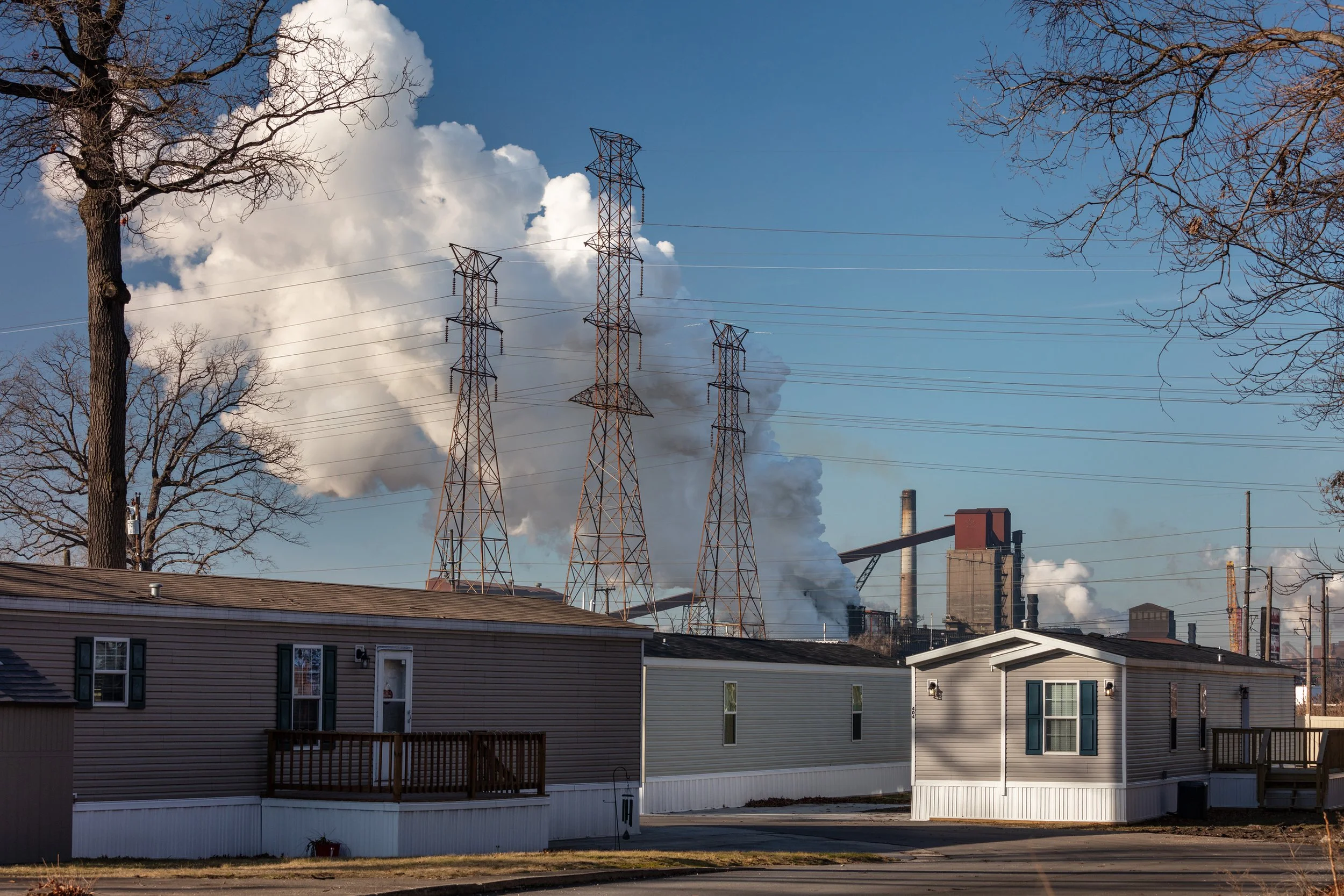
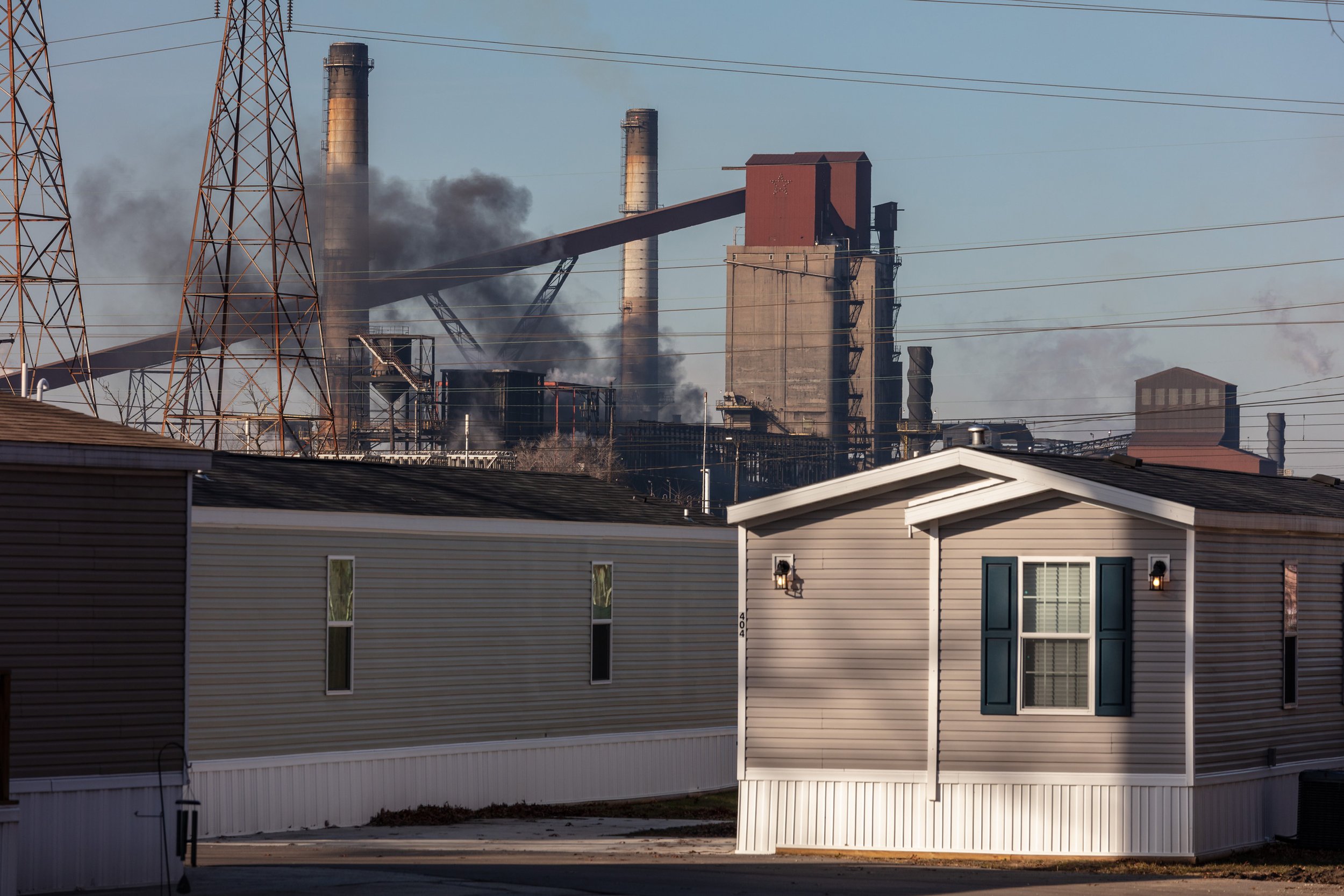
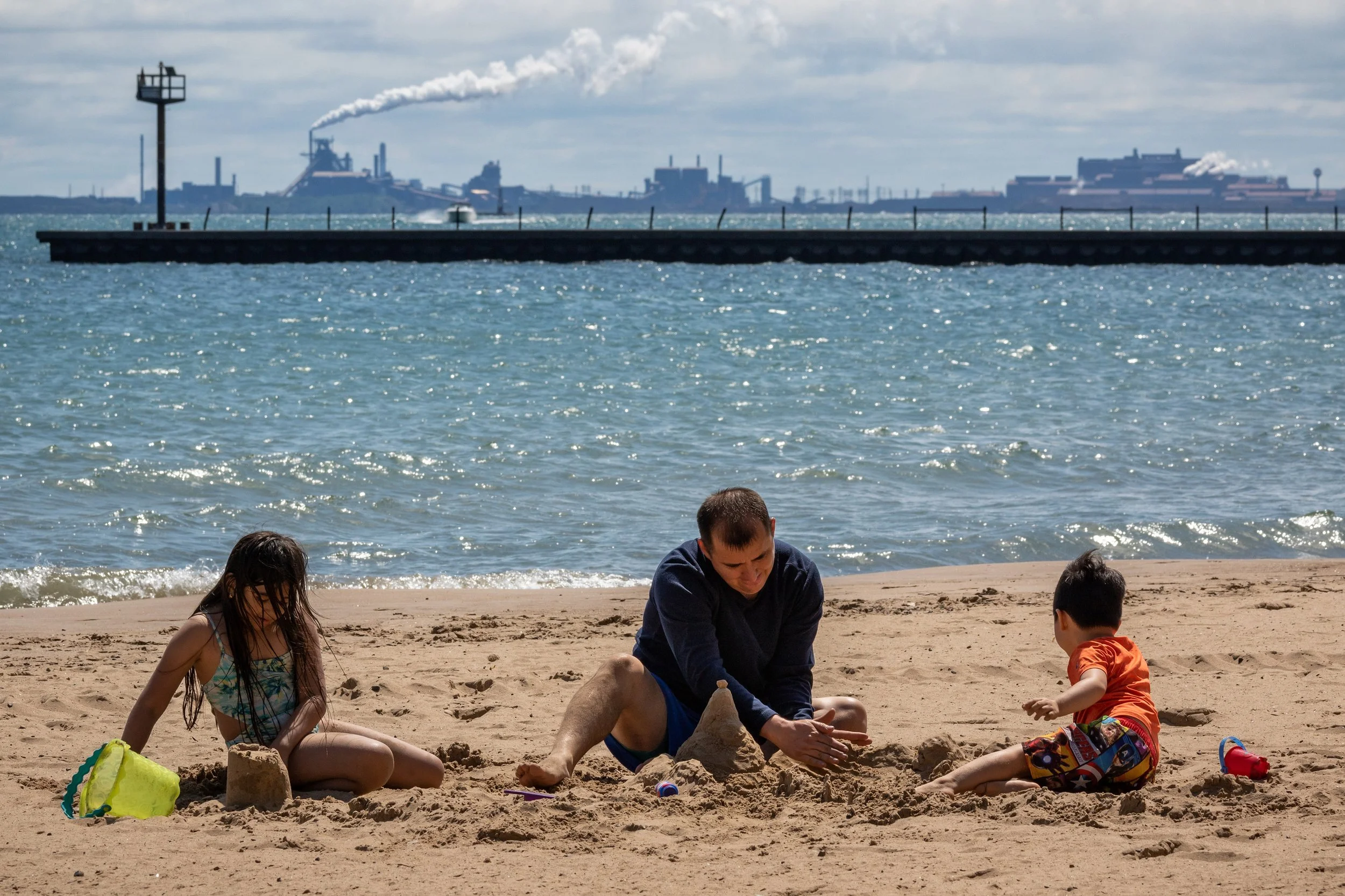
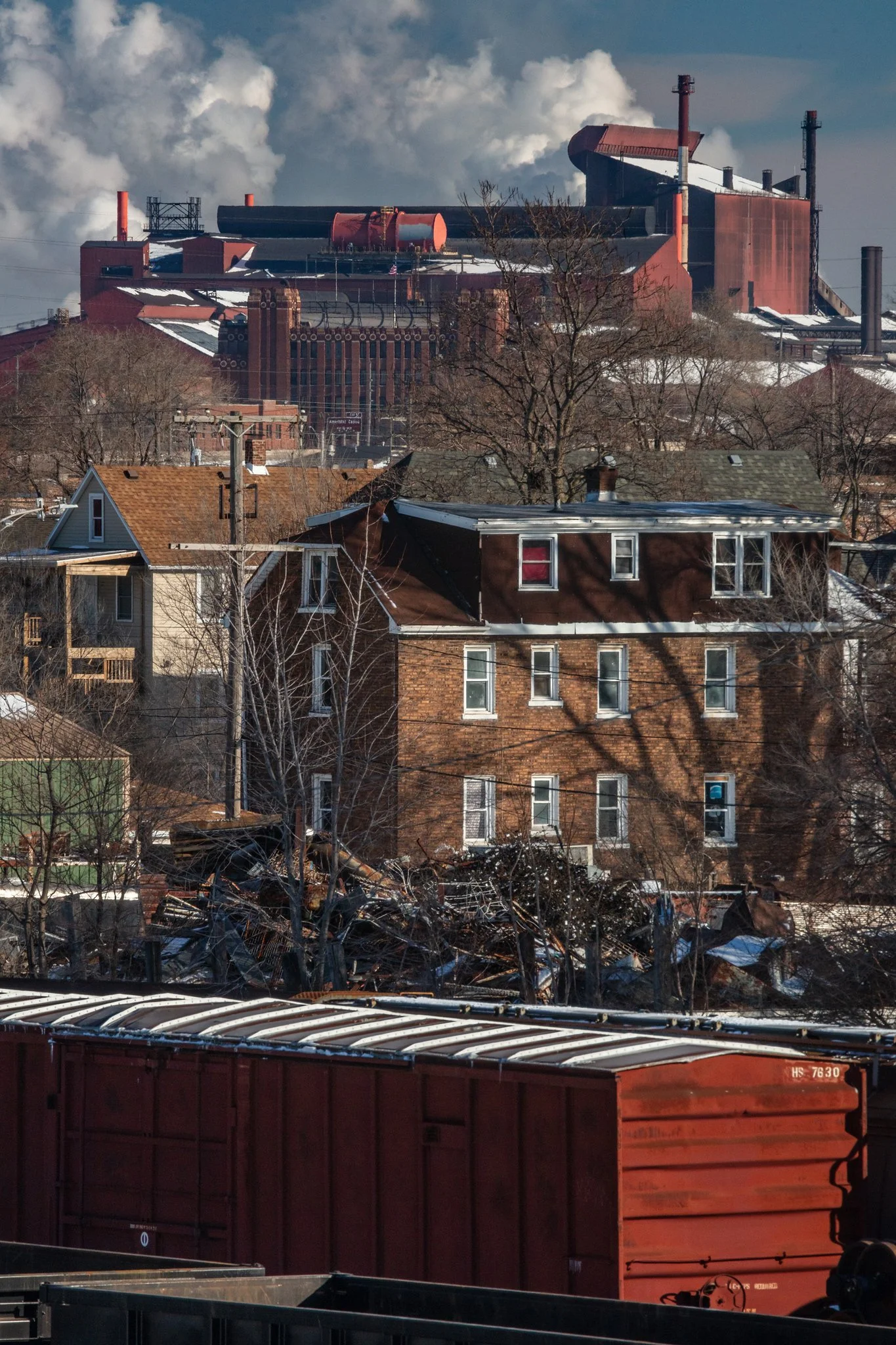
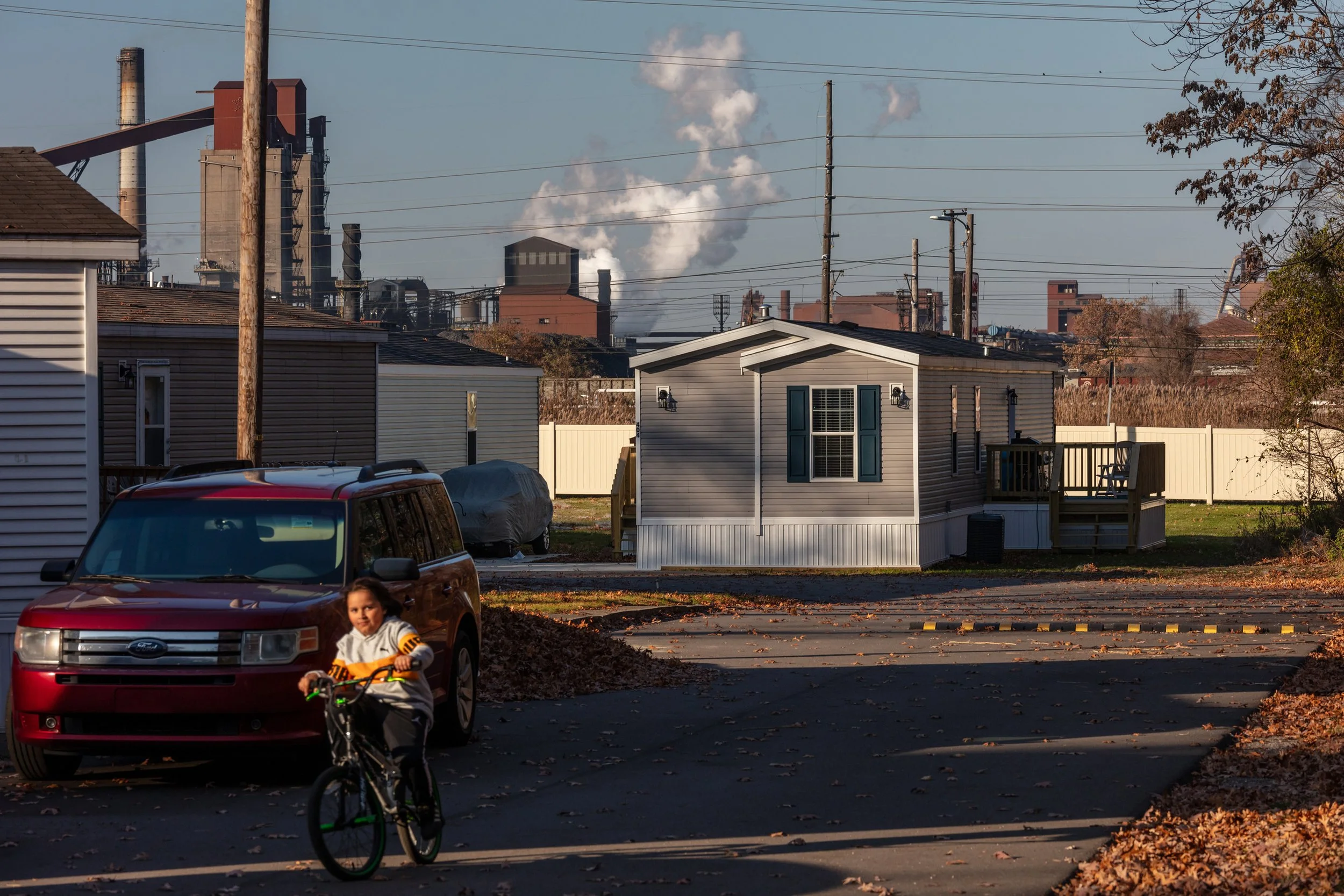
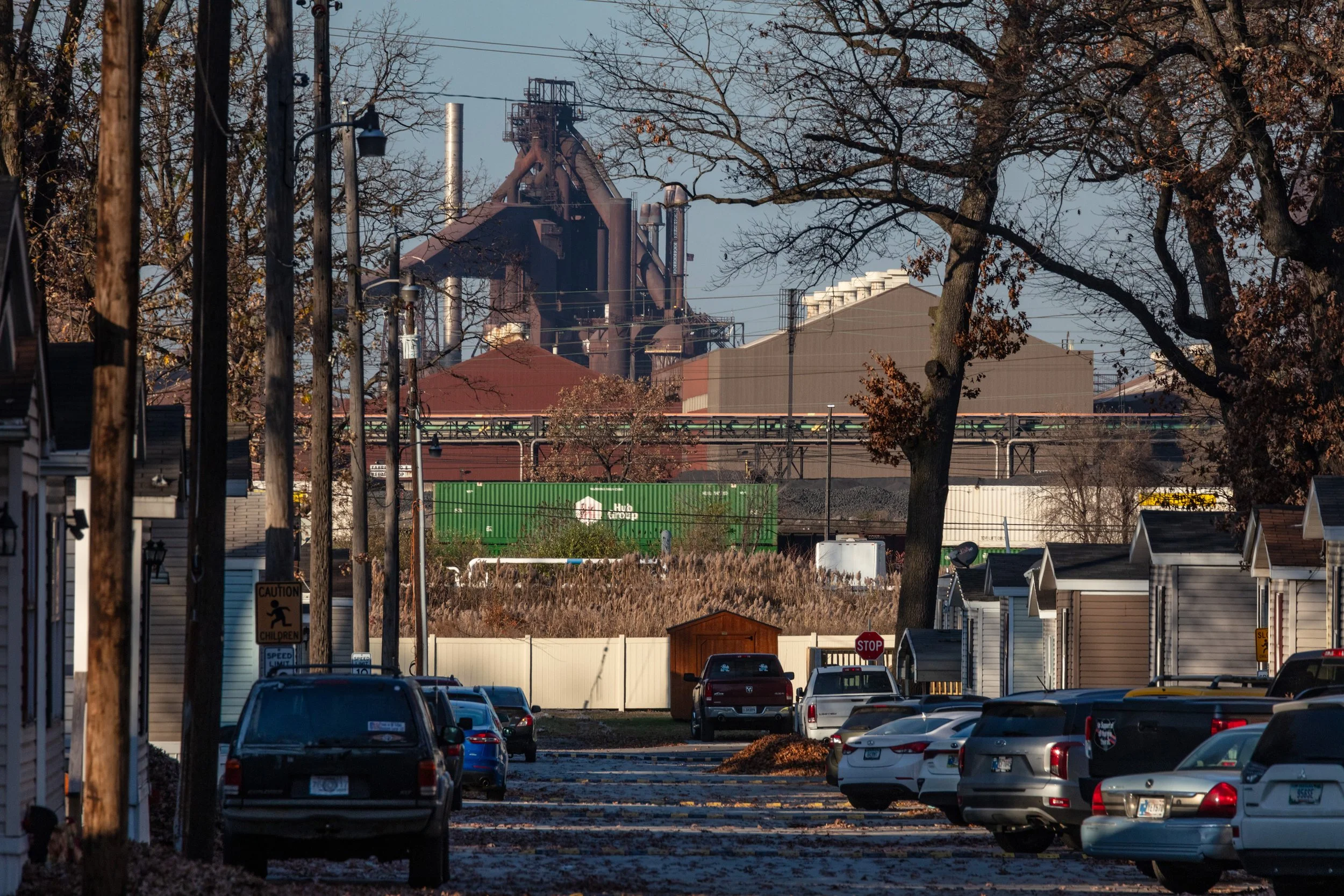
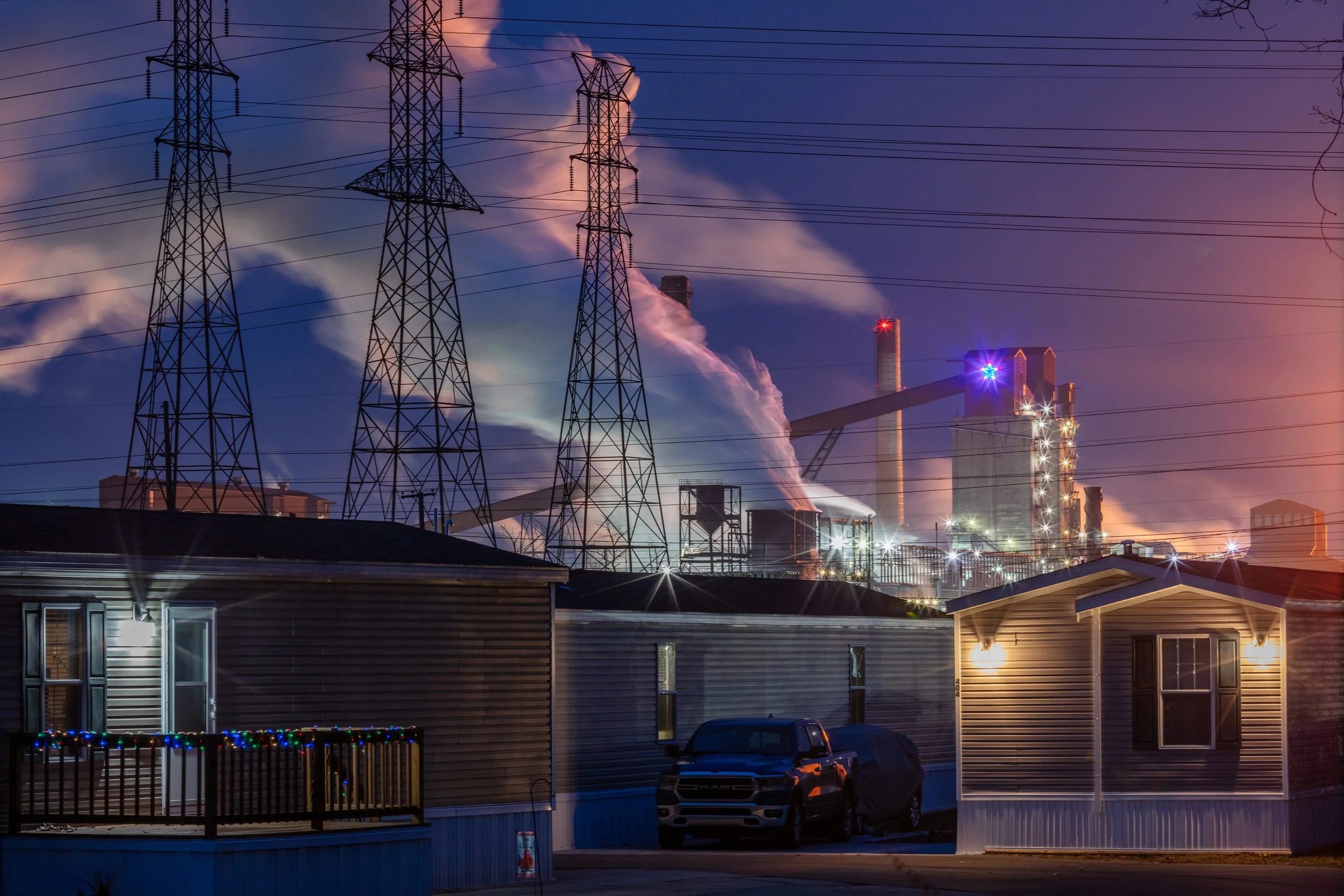
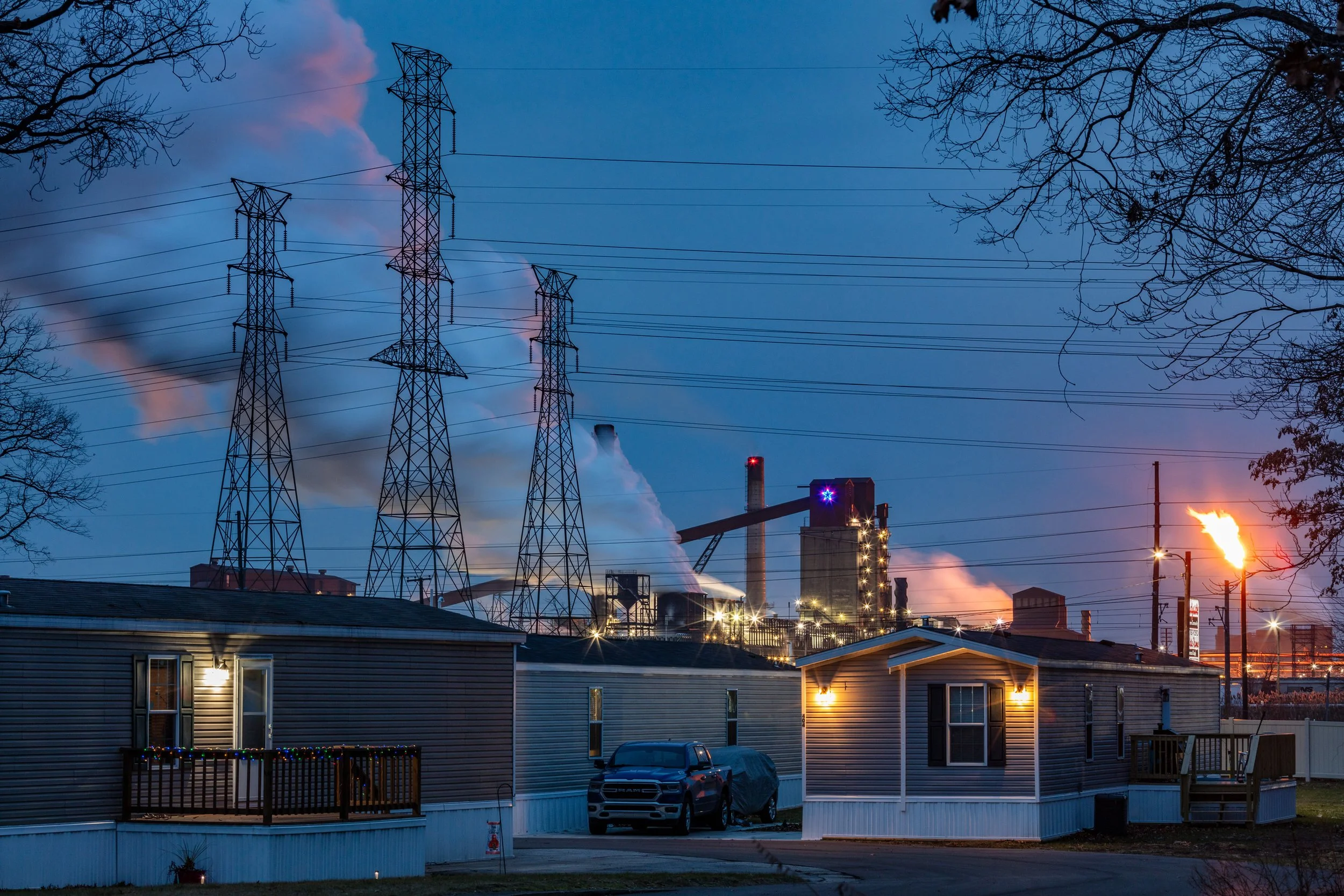
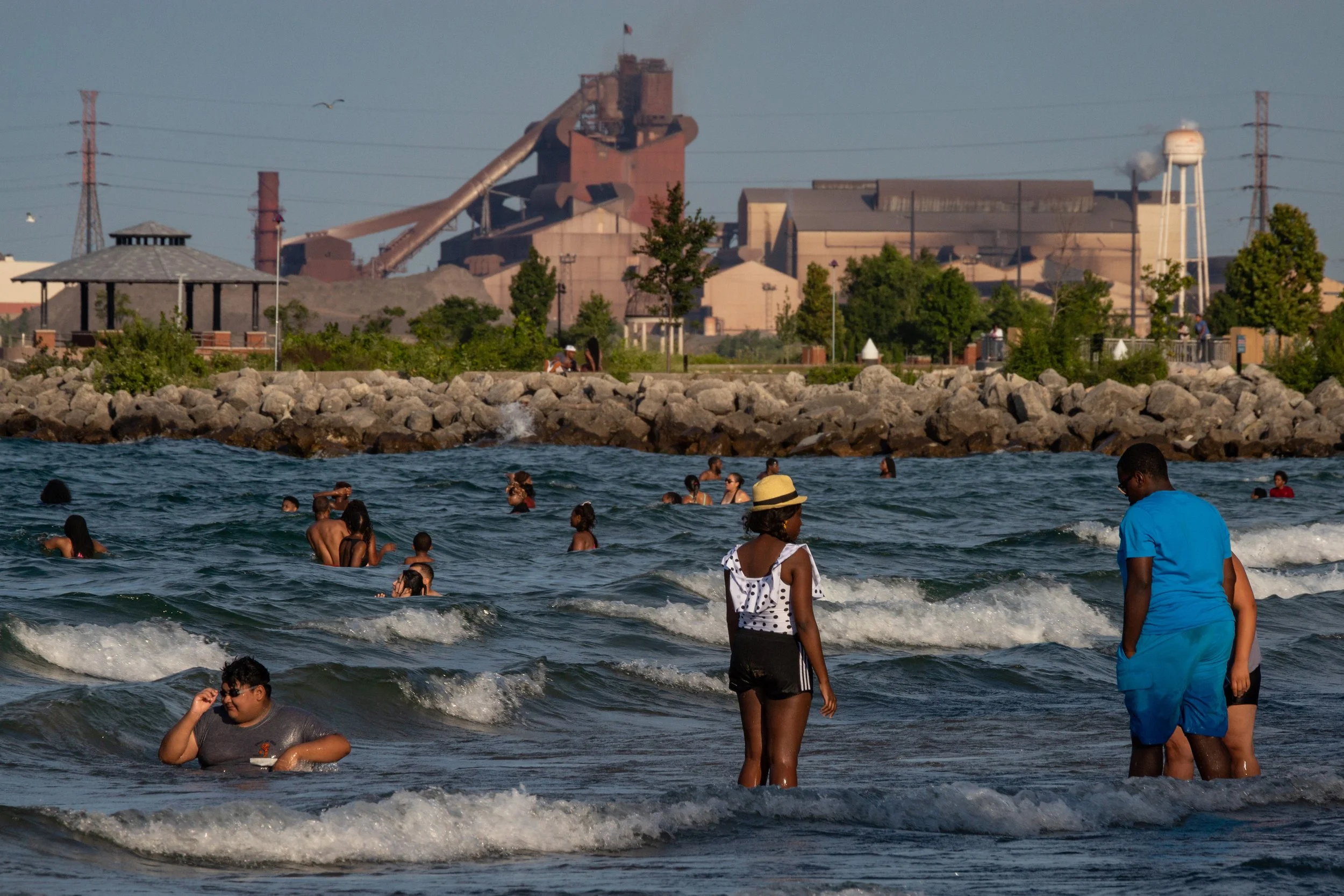
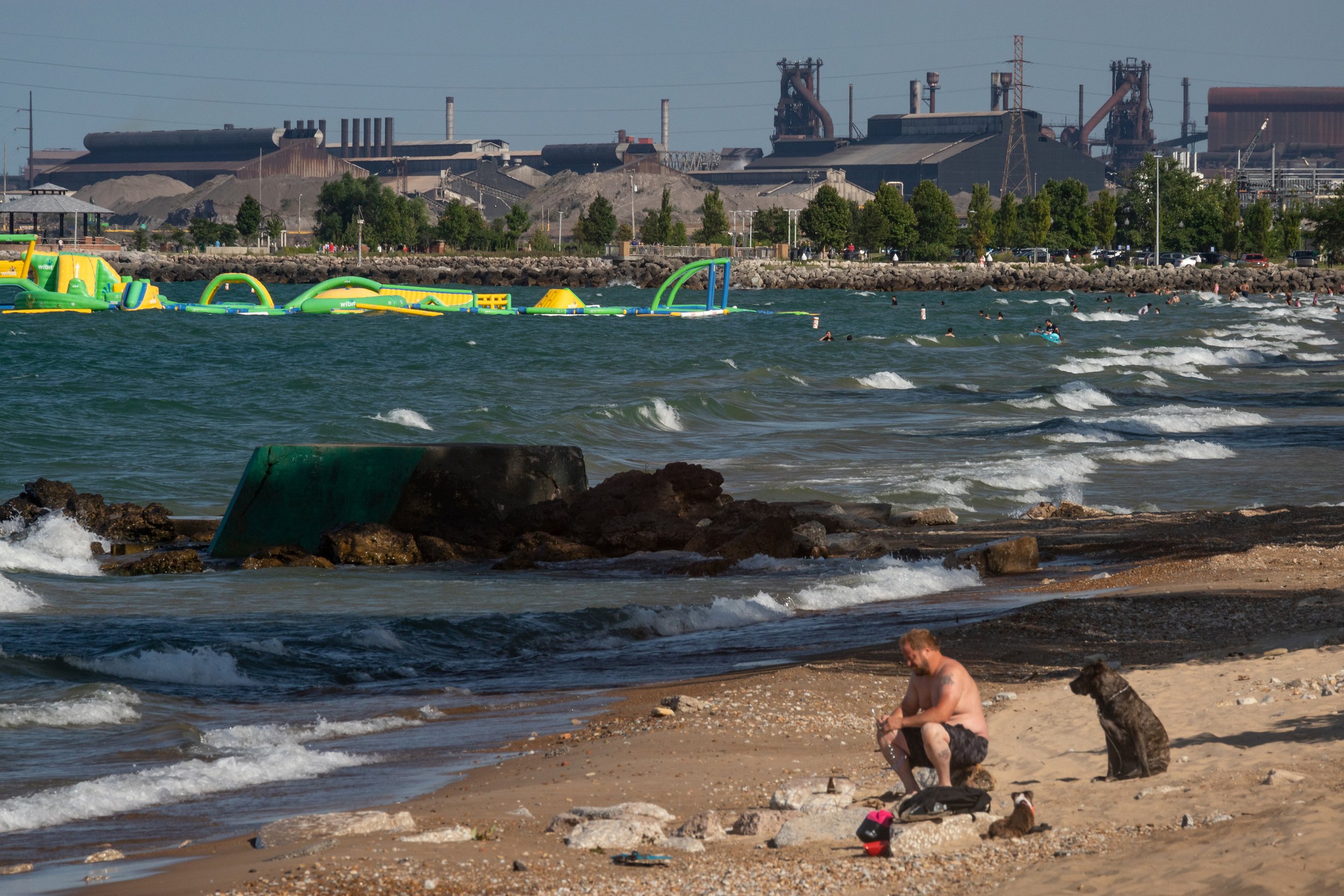
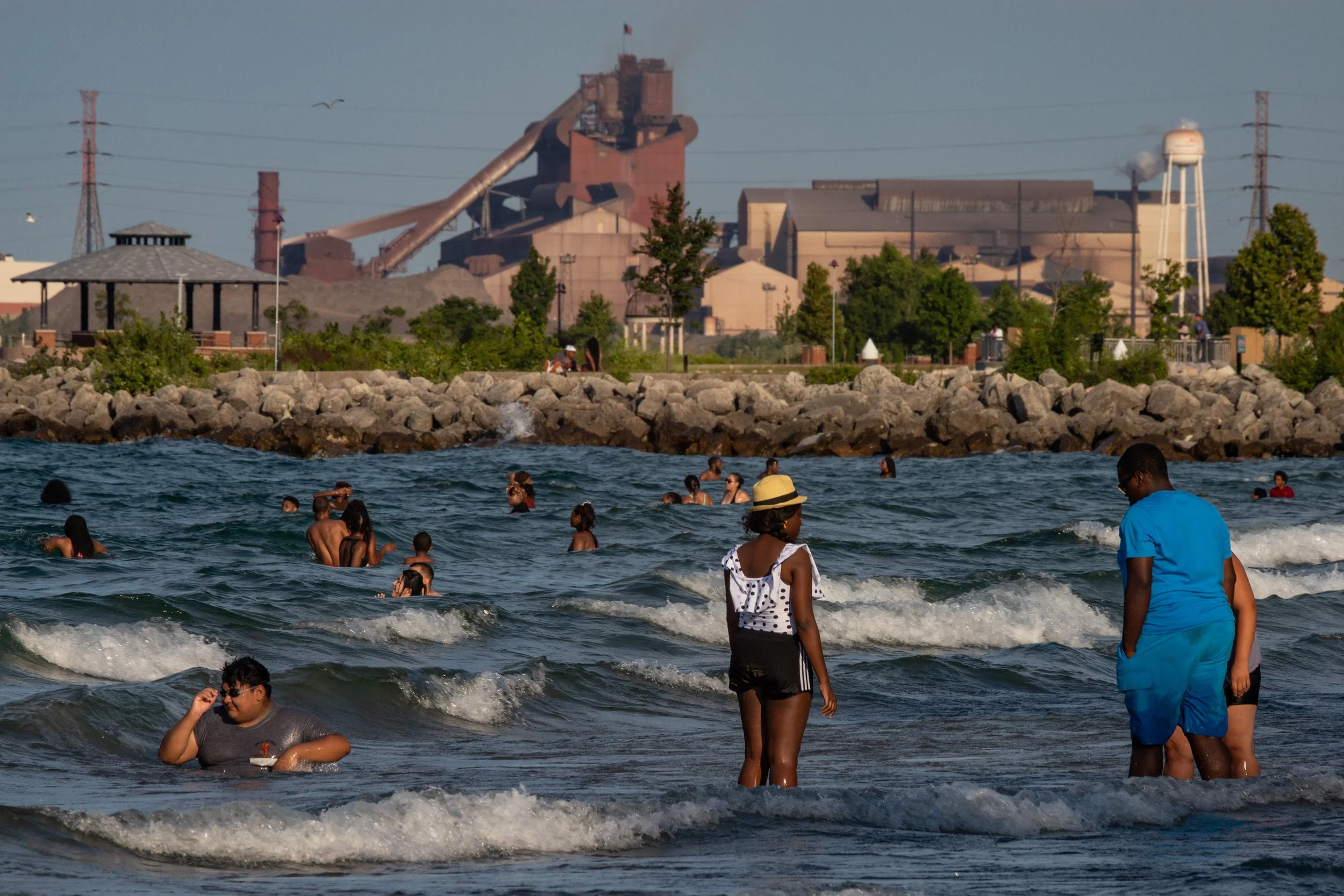
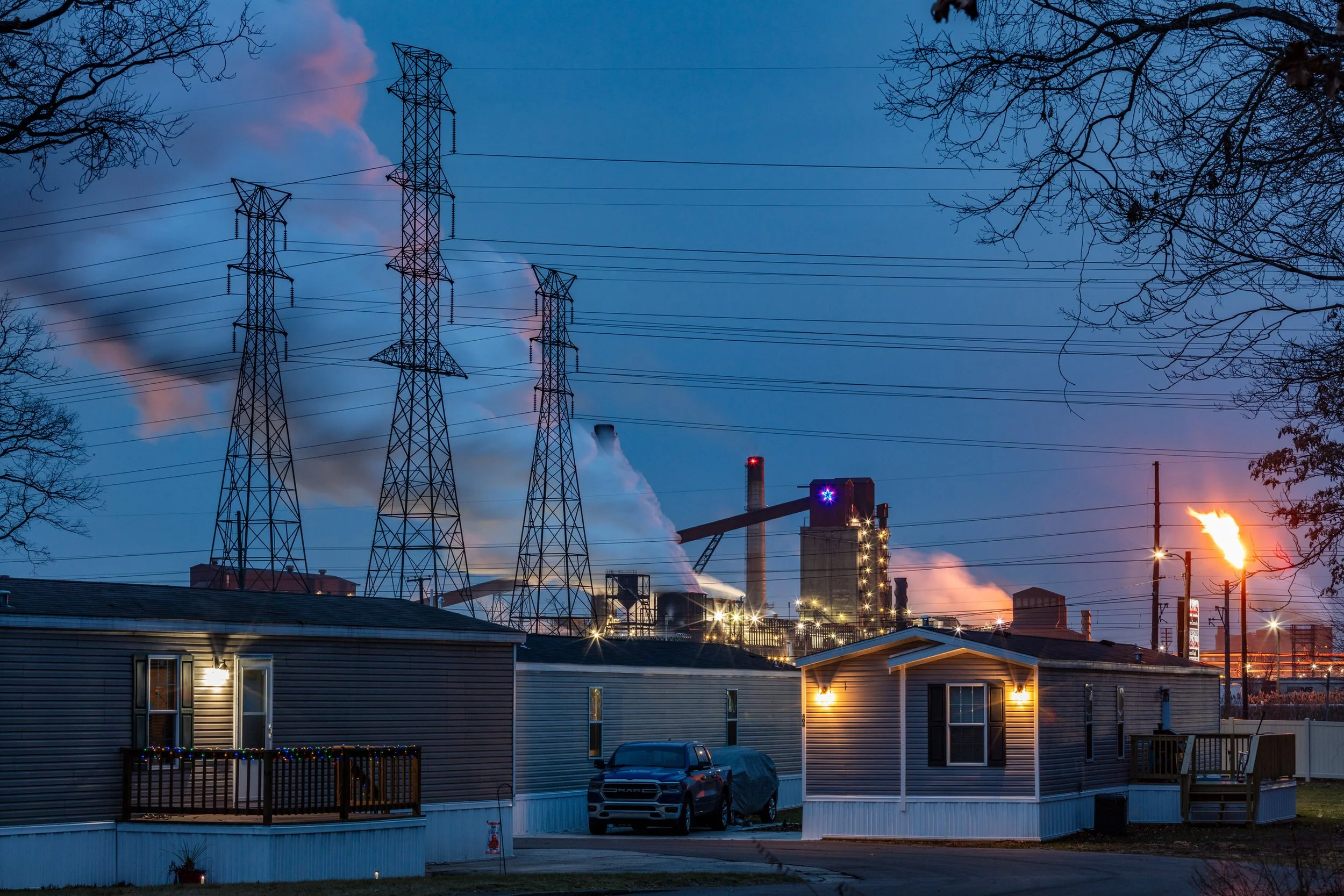
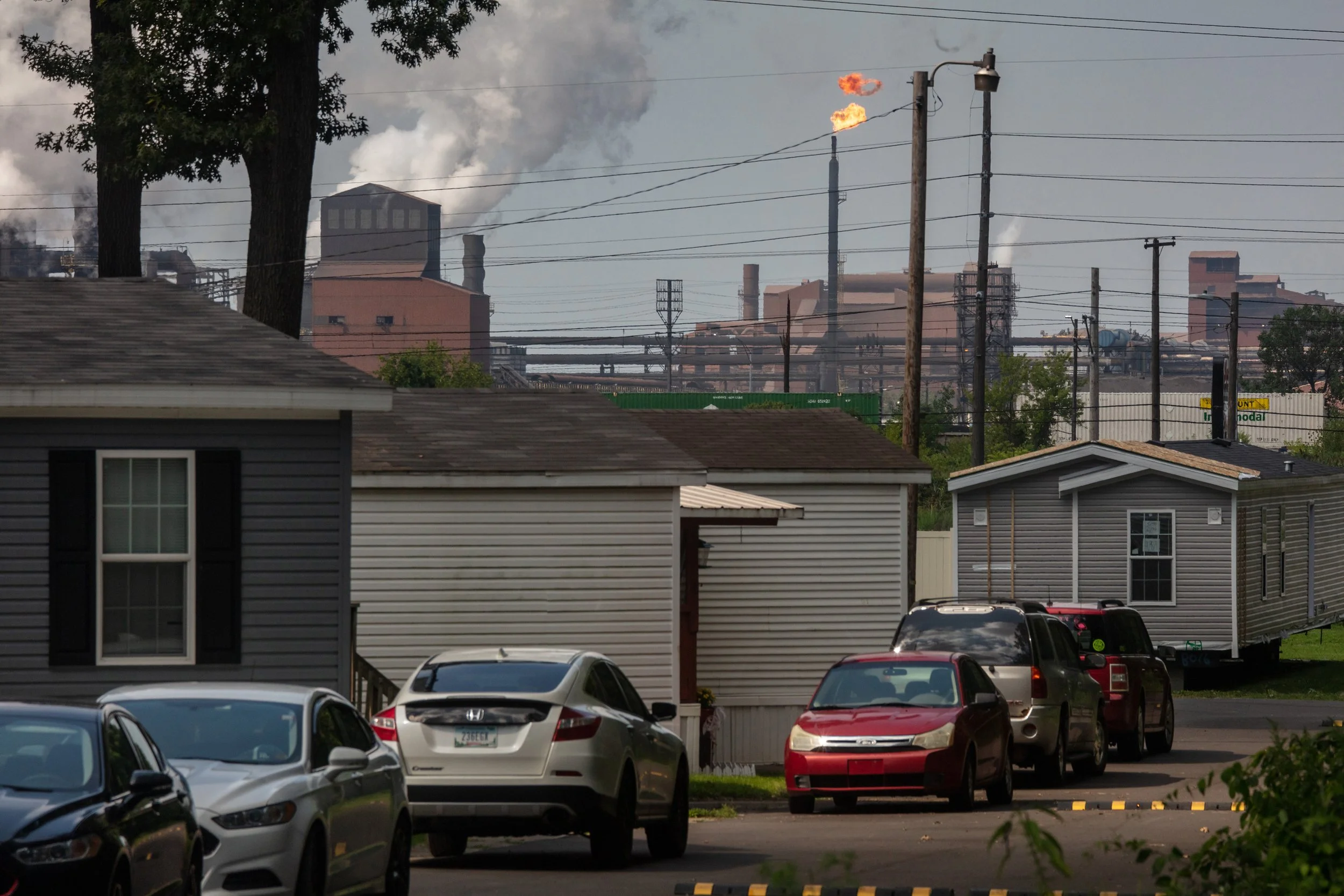
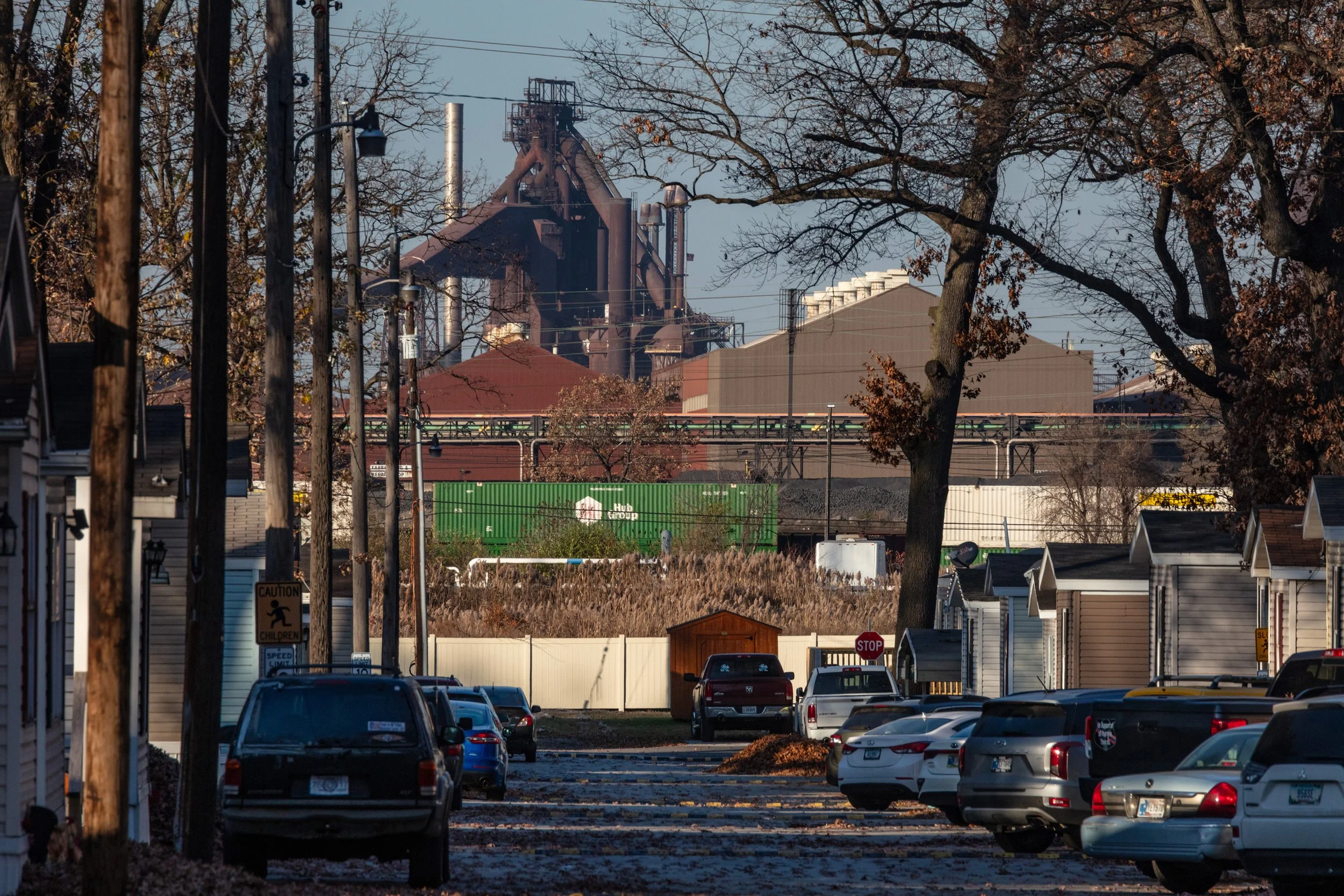
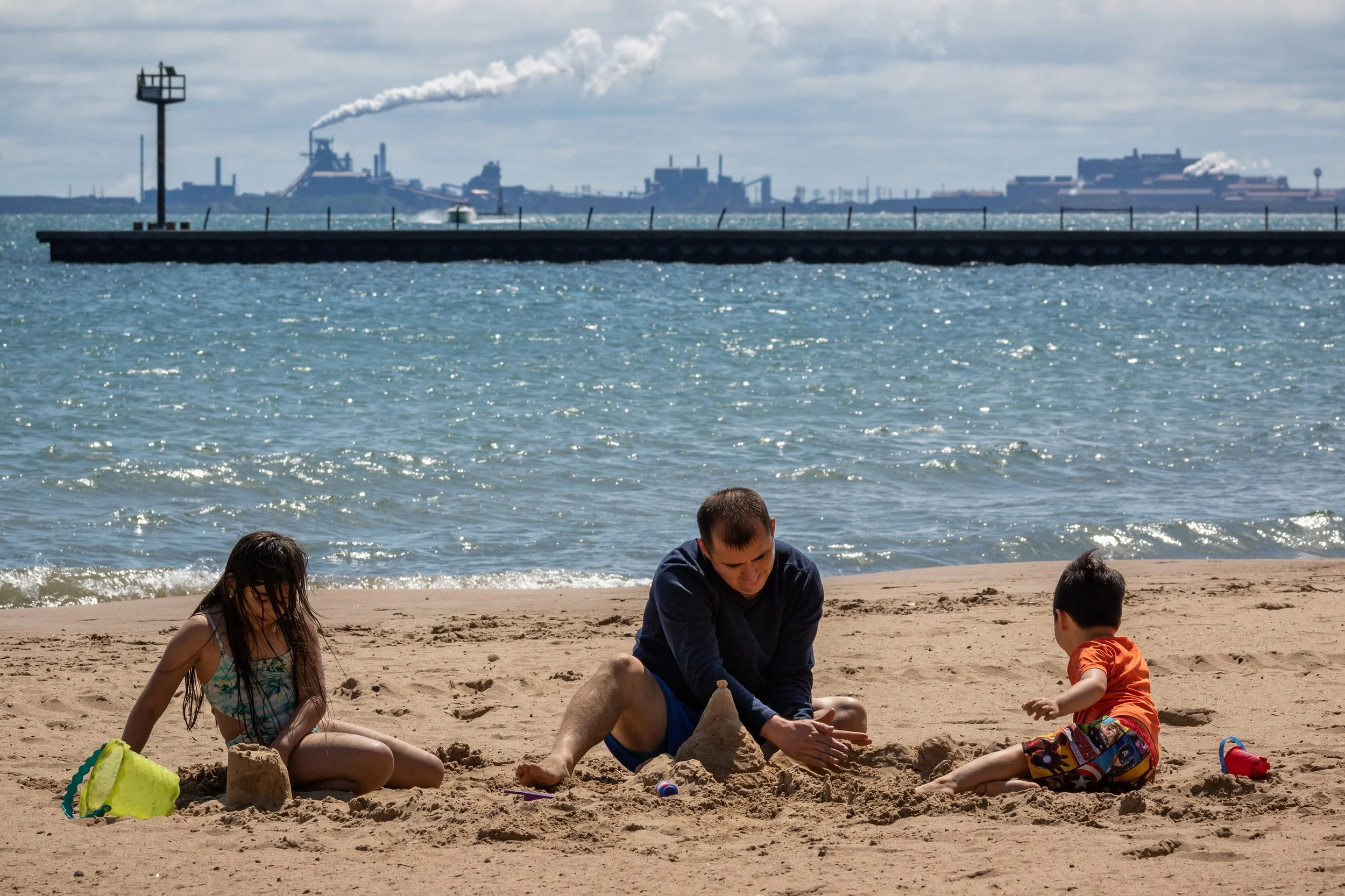
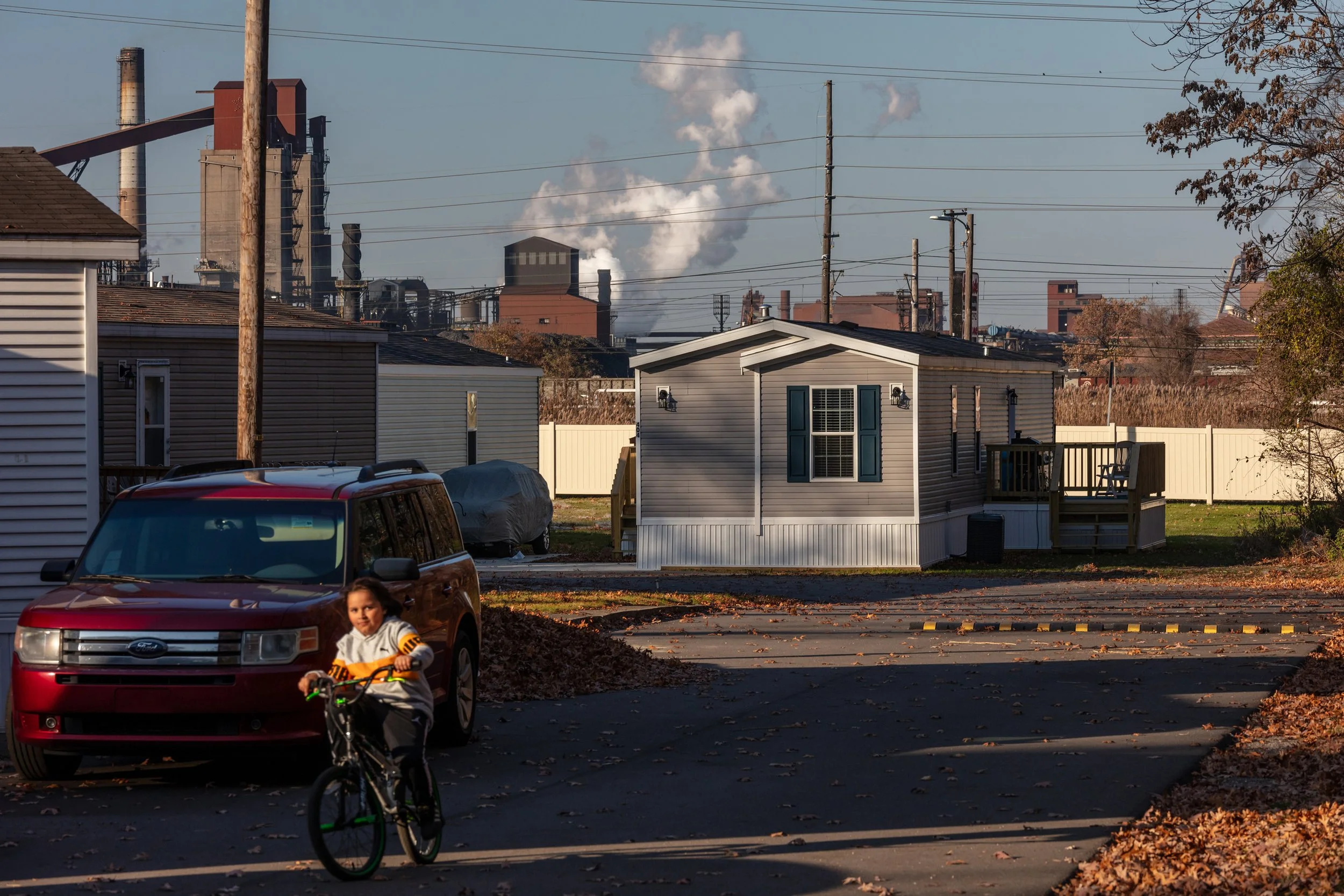
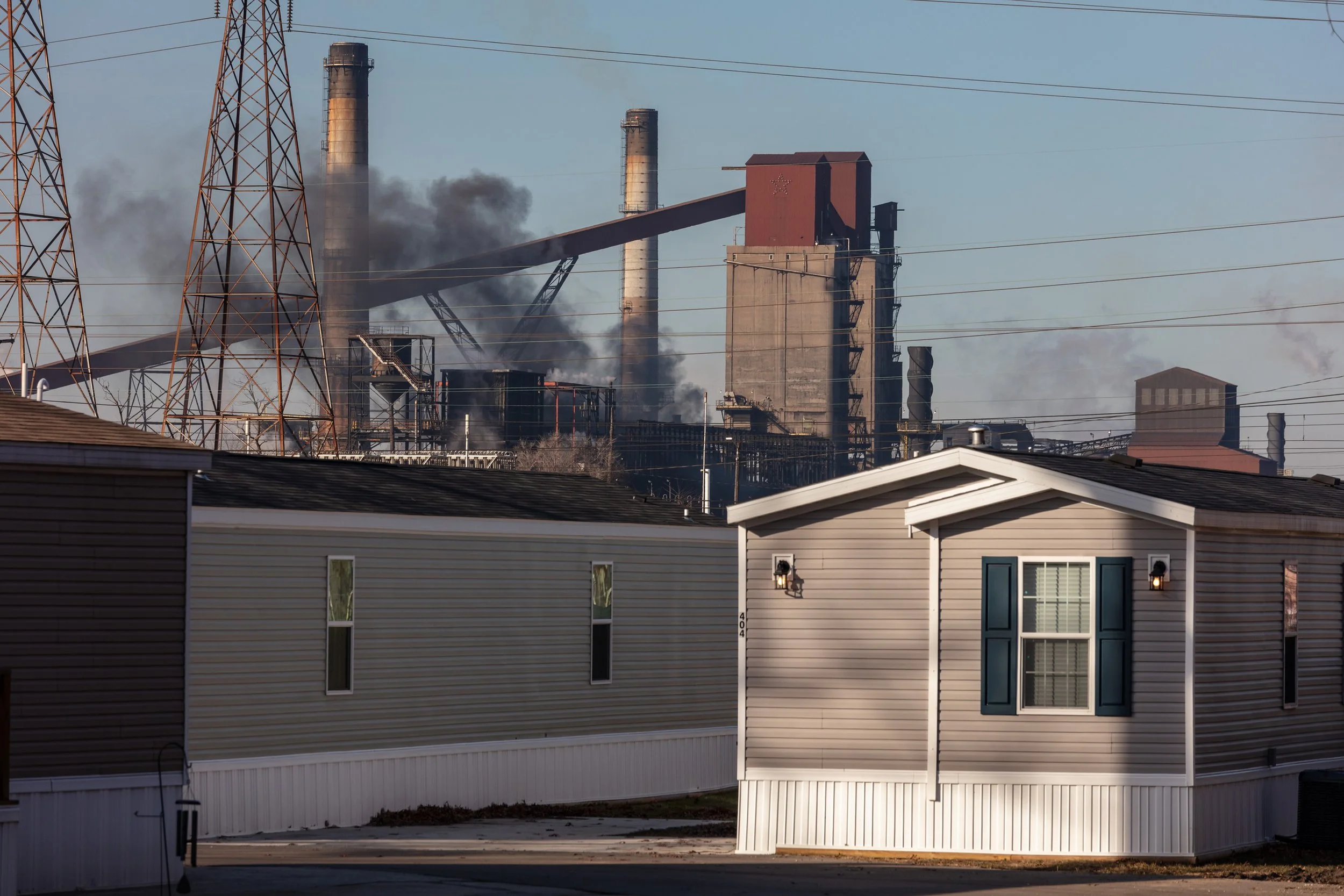
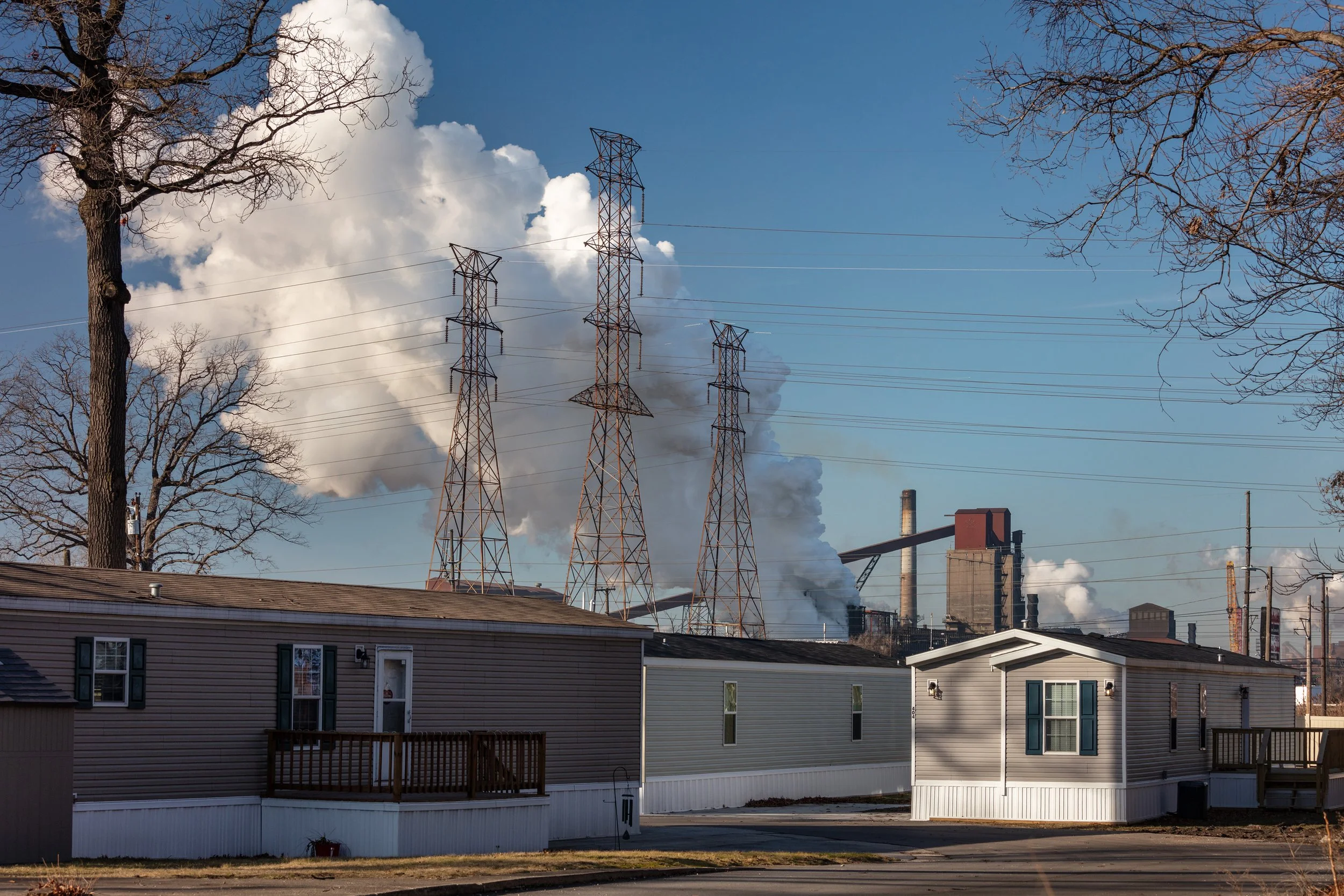
All three mills lie within 20 minutes of one another. The surrounding communities—East Chicago, Gary, Burns Harbor, and their neighbors—already endure some of the highest levels of exposure to industrial air pollution in the United States.
Today, Northwest Indiana stands at a turning point and faces a critical question: will it modernize and transition to cleaner steel production, or be left behind?


Learn More about
our campaign
why clean steel vs coal-based steel?
Northwest Indiana’s steel mills still rely on the blast furnace-basic oxygen furnace (BF-BOF) production method—a coal-intensive process that has changed little in more than a century. No new blast furnaces have been built in the United States in nearly 50 years.
In the region, Nippon Steel and Cleveland-Cliffs seek to spend roughly $350 million each to reline blast furnaces at Gary Works in 2026 and Burns Harbor in 2027, extending the operating life of outdated coal-based steel technology into the 2040s.
Meanwhile, modern steel investment across North America and Europe has decisively shifted toward direct reduced iron (DRI) technology and electric arc furnaces (EAFs). When DRI is paired with ‘green’ hydrogen produced from clean electricity, emissions reductions can exceed 70%, with sulfur dioxide nearly eliminated and carbon monoxide dramatically reduced.
All newly proposed and constructed facilities, including those serving the automotive sector, are built around these lower-emission technologies. Continuing to repair and ‘reline’ outdated blast furnaces at roughly $350 million per furnace is a cost Northwest Indiana cannot continue to afford, which is where clean steel enters in.
What are the impacts of a clean steel transition?
-
Health modeling shows that air pollution from Northwest Indiana’s steel industry drives roughly $75 million in annual healthcare costs, including 27,800 lost workdays, 26,700 lost school days, and 230 respiratory ER visits.
Over five years, the public has borne 83 times as many healthcare costs as the three steel mills paid in environmental penalties.
A transition to clean steel would cut pollution-driven premature deaths by 58–68%, reduce asthma cases by more than half, lower healthcare costs by roughly 50%, and return millions annually through regained productivity.
-
For more than a century, Northwest Indiana served as the backbone of the U.S. steel industry, employing over 65,000 workers at its mid-20th-century peak. Today, due to globalization, automation, and the emergence of alternative steelmaking methods, direct steel employment in the region has fallen to roughly 9,000, and regional mills have been shedding 500 jobs annually since 2014.
Without new investments in modernization, researchers warn that employment could drop to fewer than 5,000 jobs by 2034.
A transition to clean steel production at the Indiana Harbor mill, however, could generate about 600 additional direct and indirect jobs by 2034. Currently, the facility employs roughly 1,172 workers across all operations. This means that closing the coking plant would result in a net loss of 572 jobs at Indiana Harbor unless broader clean steel investments offset the decline.
-
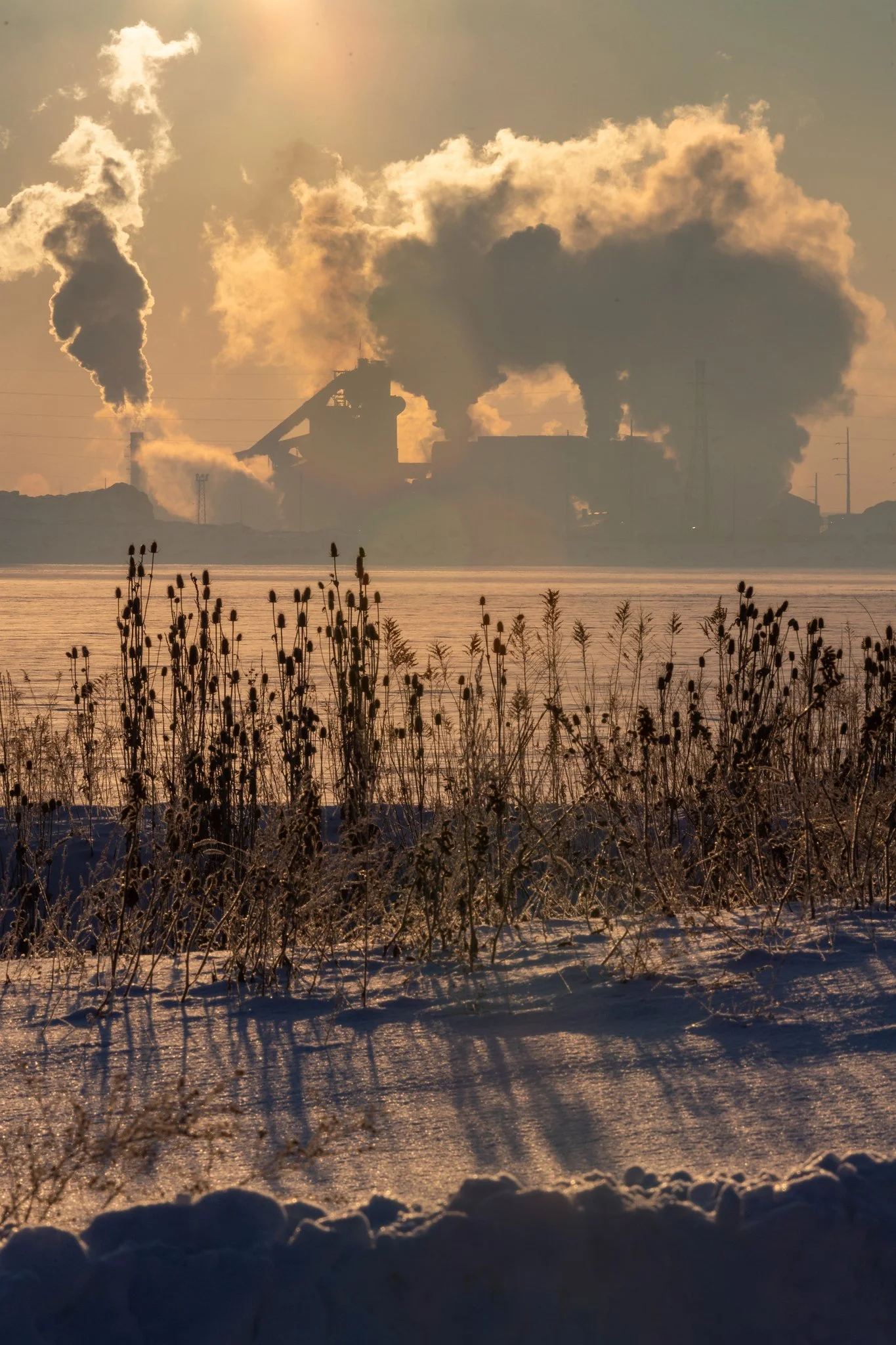
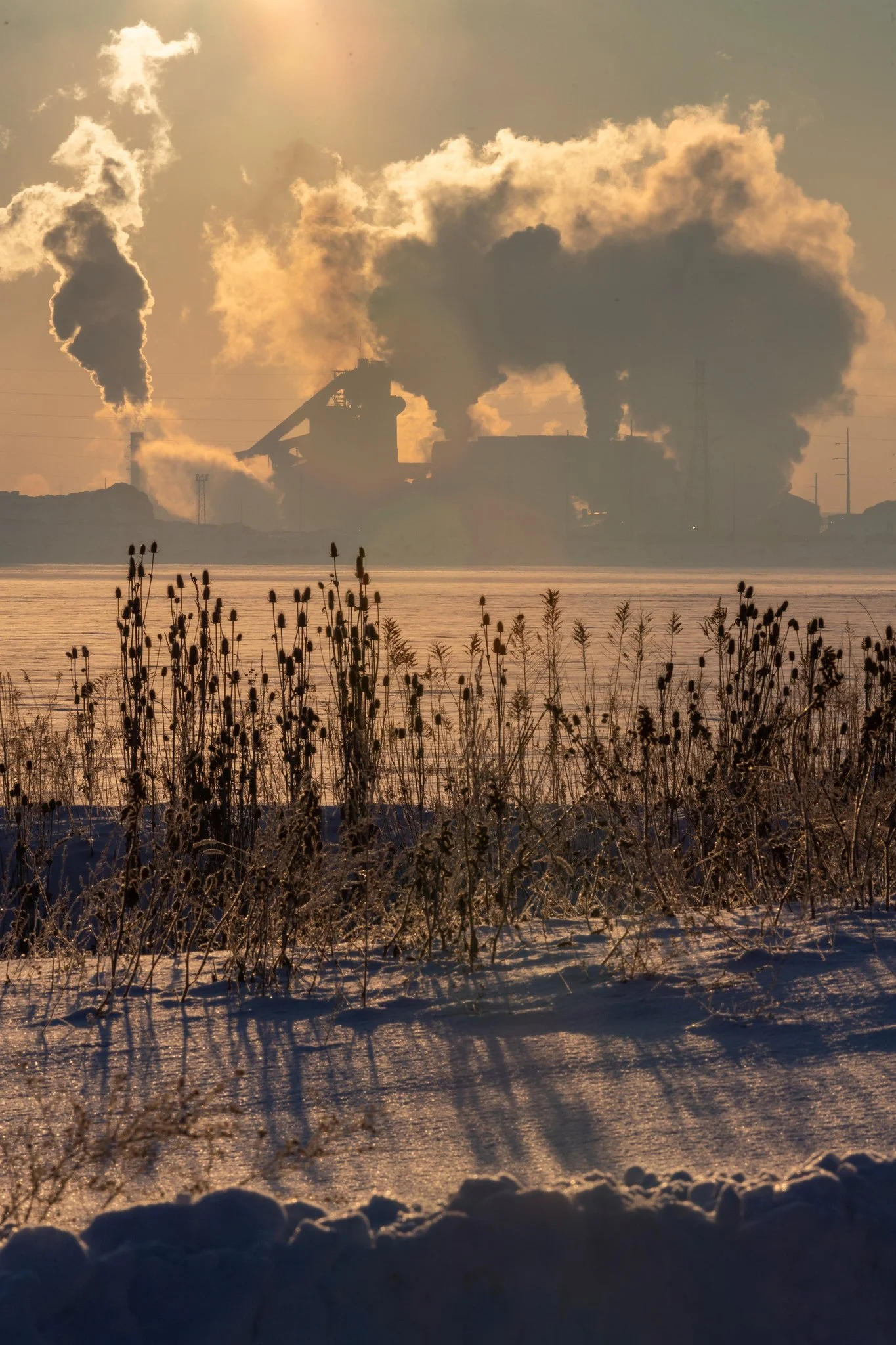
Blast furnace steelmaking is highly carbon- and pollution-intensive. In 2020 alone, Indiana’s three primary steel mills and their coke plants released 23.6 million tons of CO₂, plus massive quantities of carbon monoxide, sulfur dioxide, nitrogen oxides, particulate matter, and toxic metals.
Water pollution compounds the harm. These facilities have repeatedly violated the Clean Water Act by dumping heavy metals, thermal discharges, and toxins that have caused fish kills and temporary closures of Indiana Dunes National Park, a tourism asset generating $60 million annually.
A transition to clean steel—commercially proven at scale—cuts CO₂ emissions by 42–81% (depending on natural gas vs. green hydrogen) and reduces key air pollutants by 50–60%. It replaces coke plants and sinter operations entirely and meets automakers’ demand for low-embodied carbon steel.
gary works Spotlight
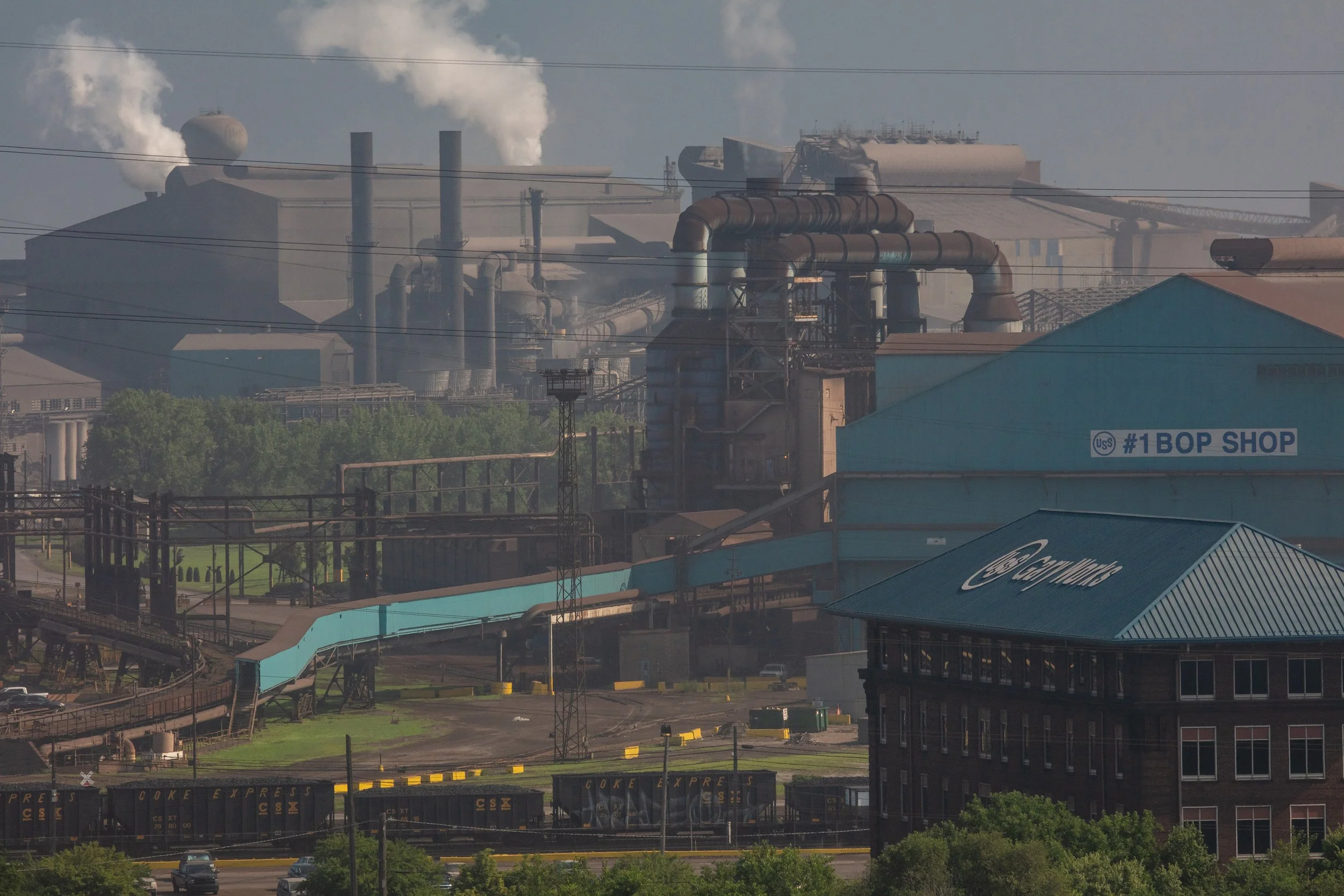
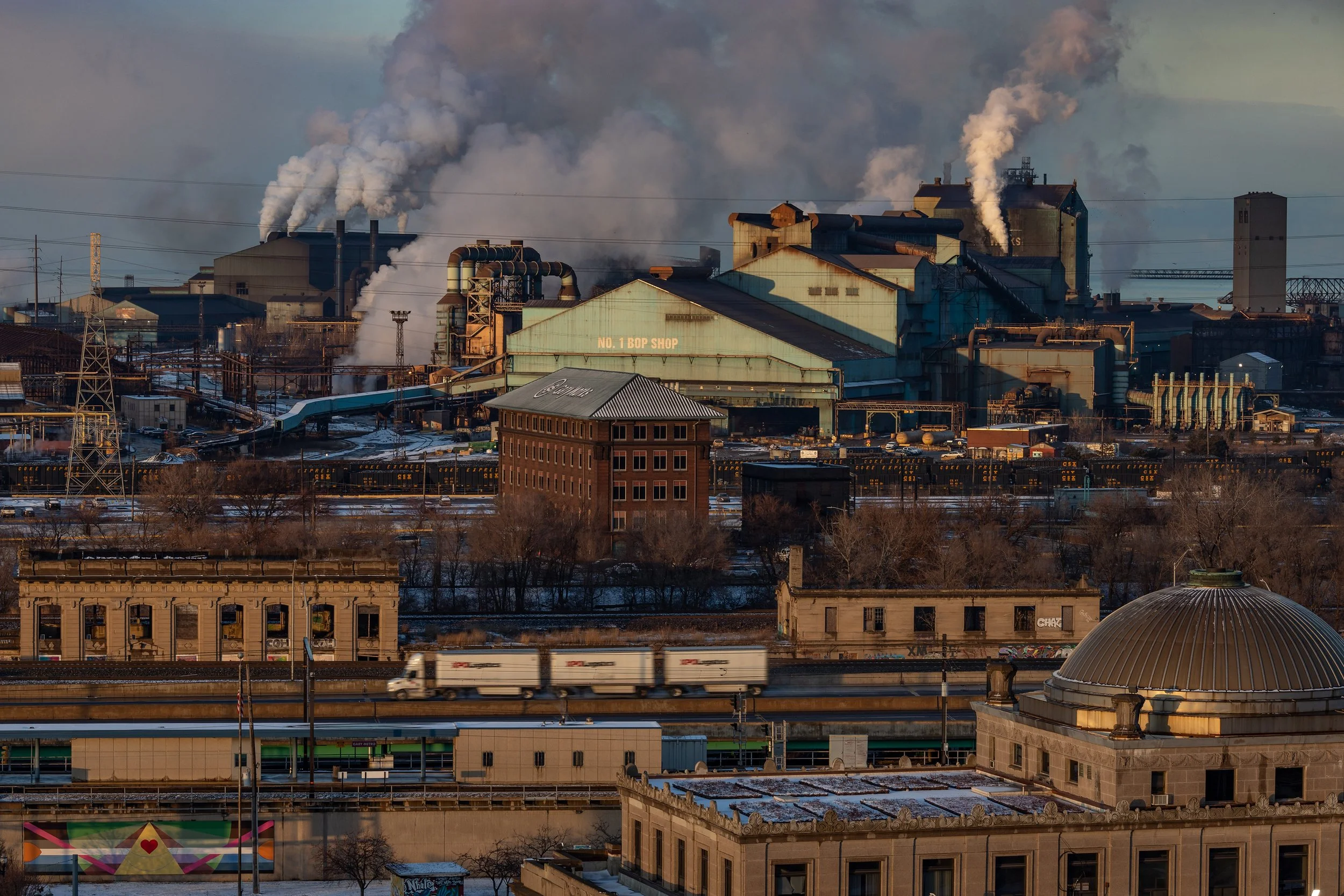
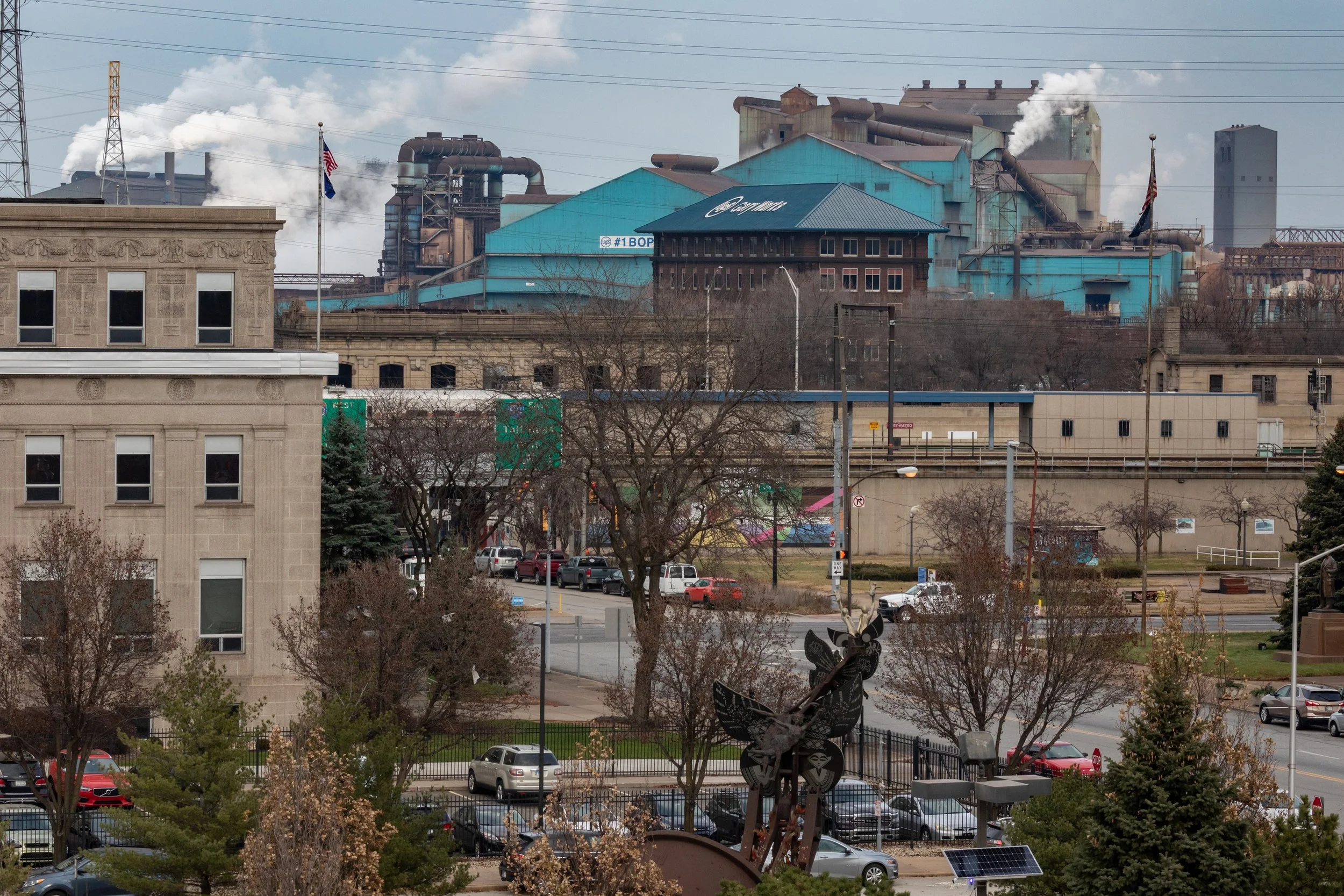
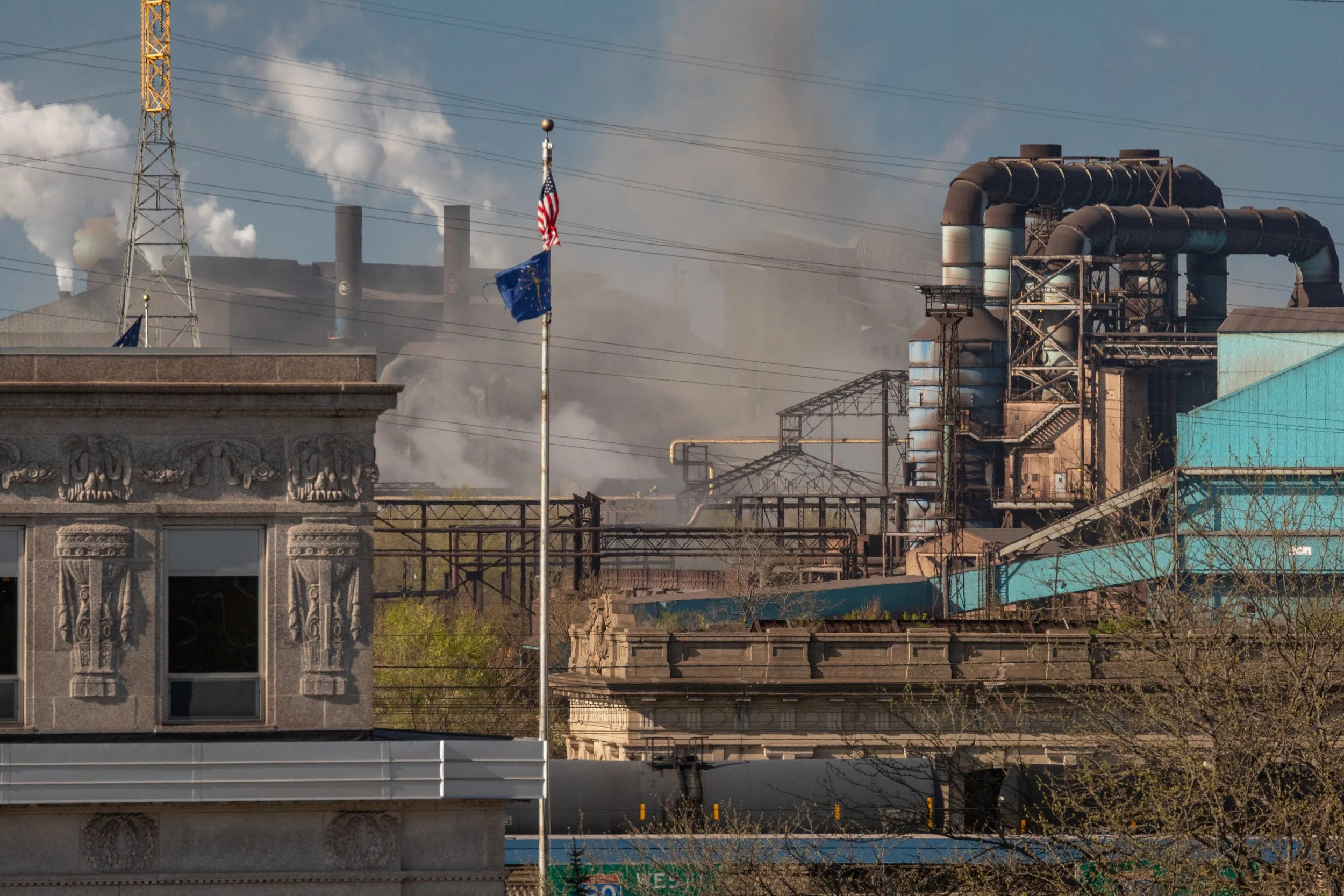
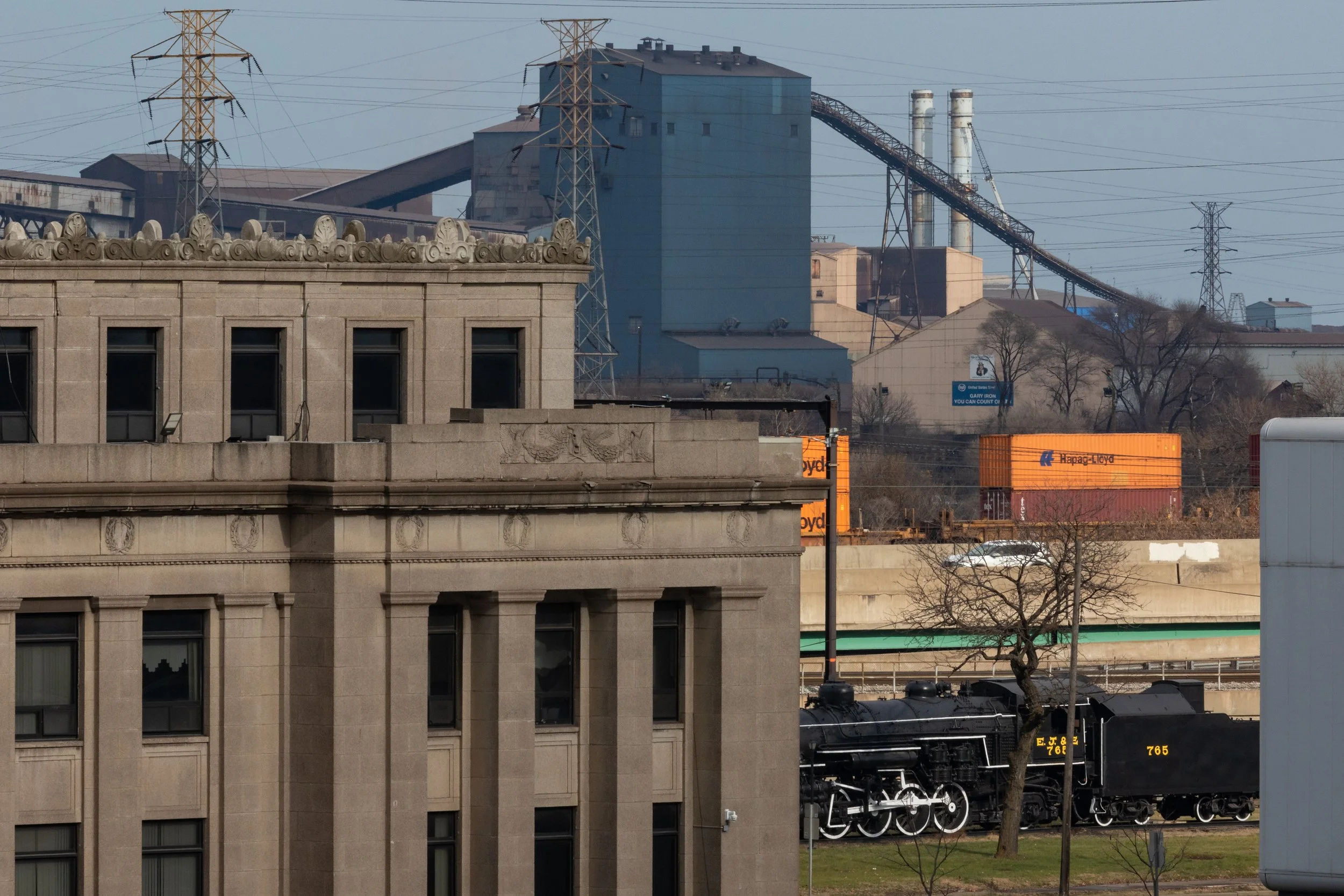
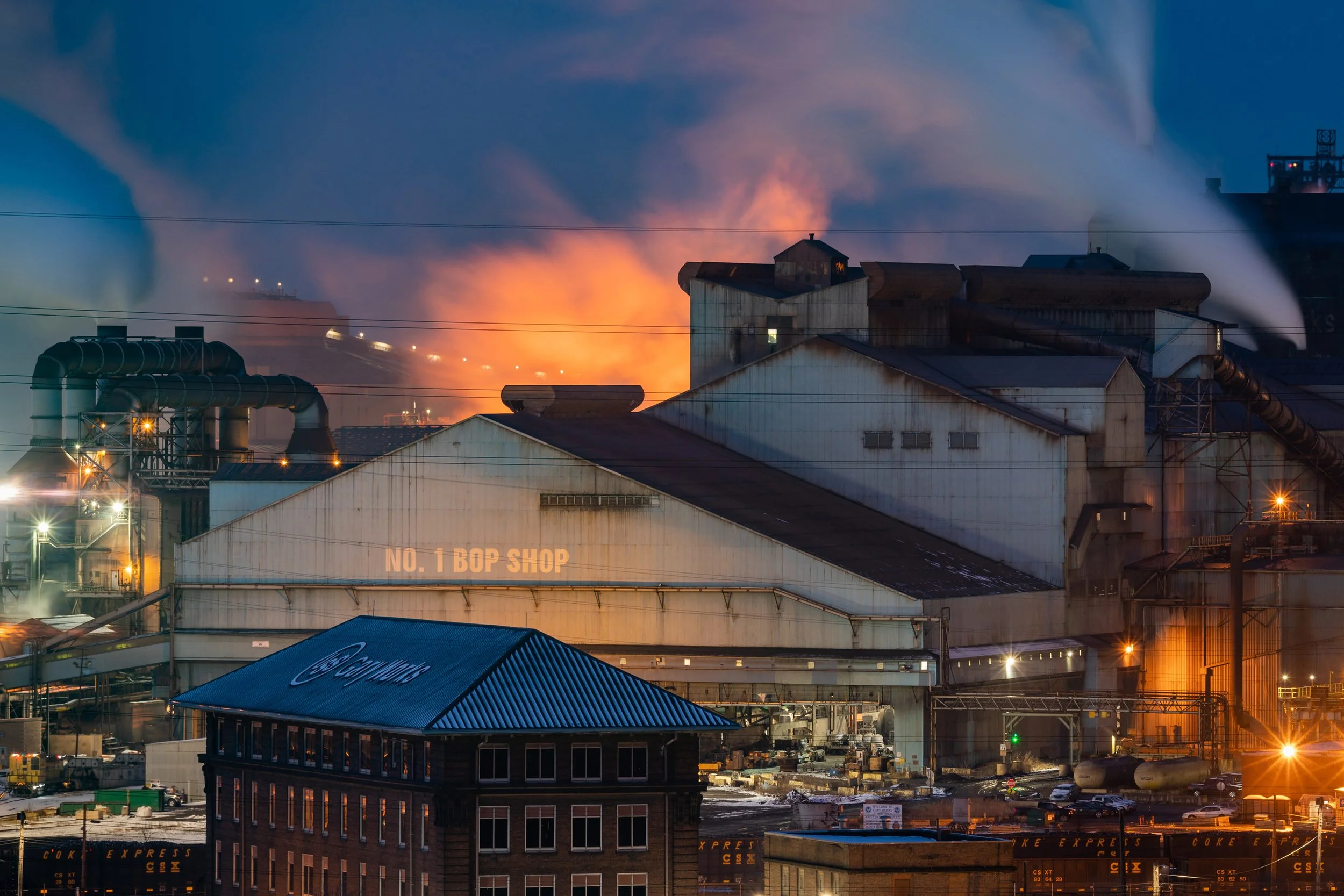
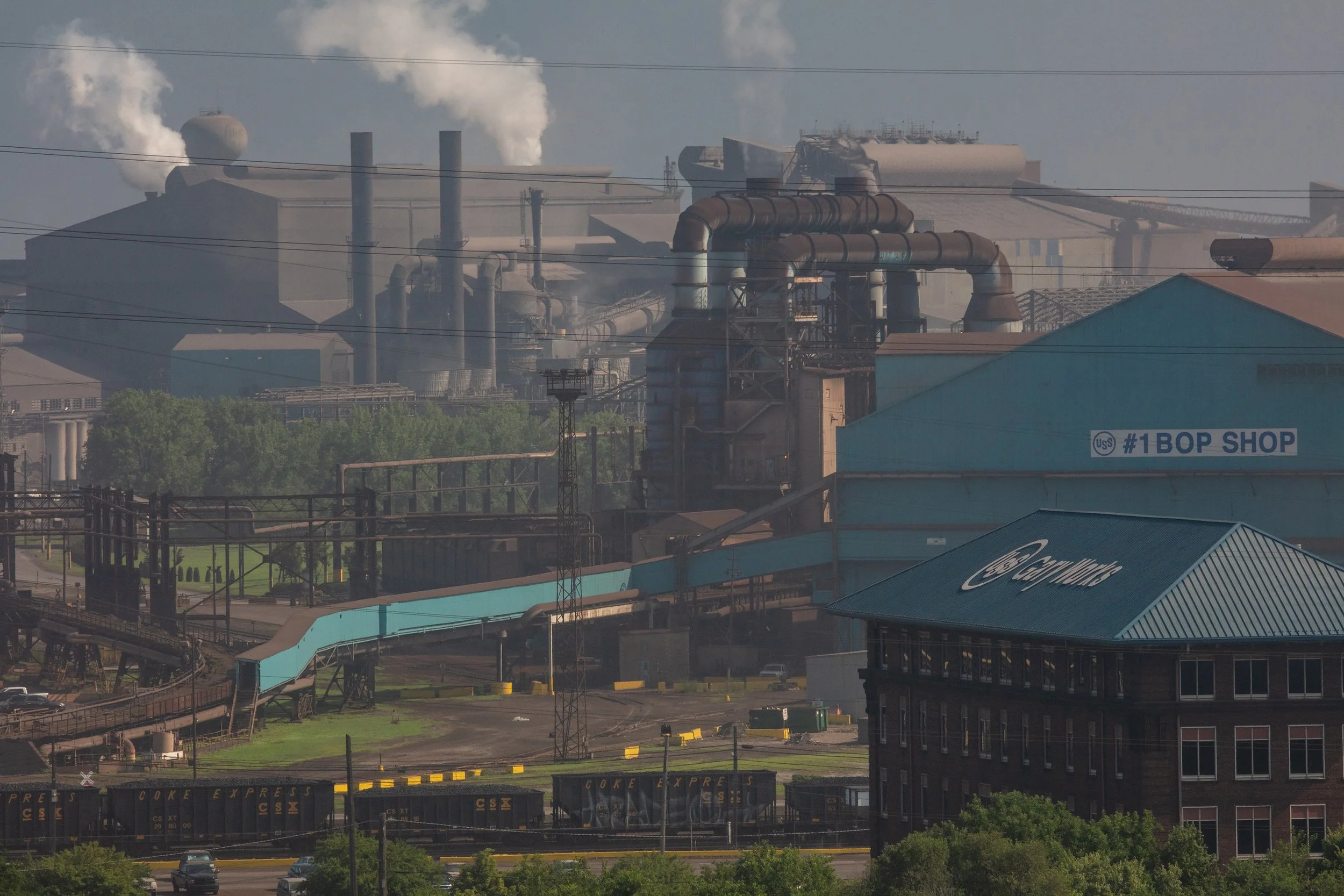
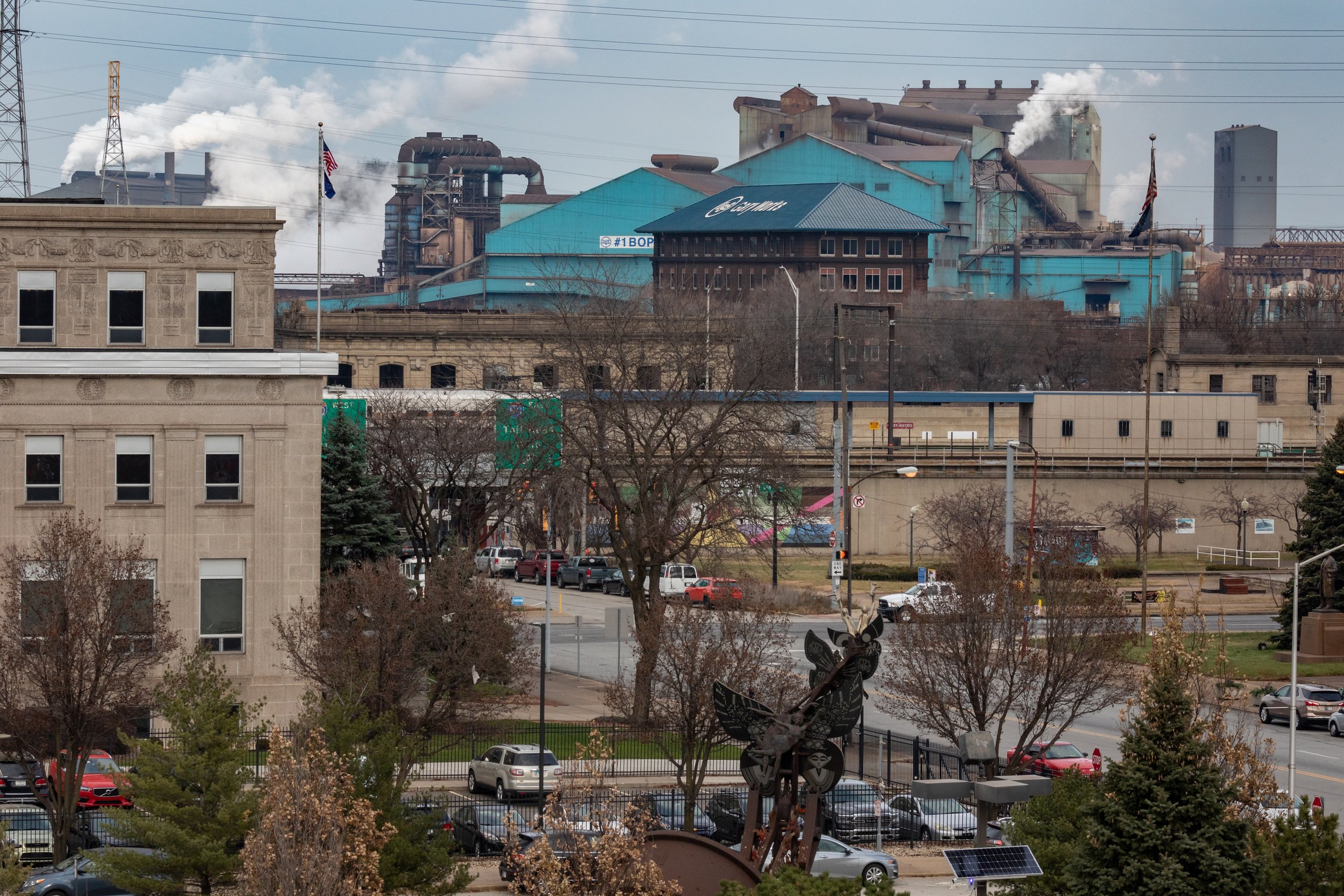
As part of the 2025 acquisition of U.S. Steel, Nippon Steel, a Japanese company, is required to invest in Gary Works. Over $2 billion remains earmarked for Gary, but Nippon will not disclose how it plans to use the funds here.
Nippon is opting to build cleaner technology in Arkansas, where it plans to build a brand-new DRI facility, and in New Orleans, where Hyundai is building a DRI facility that will use green hydrogen. These companies are choosing to invest in the future of steel in the South, where they can exploit workers without union protections, all while keeping business as usual in the cities that built the industry. This is a continuation of environmental injustice that communities like Gary and throughout the region have faced for decades.
In their 2026 study, Indiana University researchers found that if Nippon refuses to invest in DRI technology, it could host ZERO jobs by 2034. This fate is shared by both the Cleveland Cliffs, Indiana Harbor, and Burns Harbor facilities. If the mills fail, it will affect thousands of jobs in the region outside of the mills, and we will be left with toxic relics on our lakefront.
Take action: tell Nippon we need a clean steel transition
Today, the future of the steel industry and Northwest Indiana at large is at risk. Nippon Steel, which recently acquired U.S. Steel, is building facilities in other communities that will use new, cleaner technologies, all while maintaining pollution and business-as-usual levels at its Gary Works mill. The time is NOW to turn the tide toward a just and equitable transition to clean steel in Northwest Indiana. Take action by signing our petition hosted by Gary Advocates for Responsible Development.
Upcoming clean steel Events
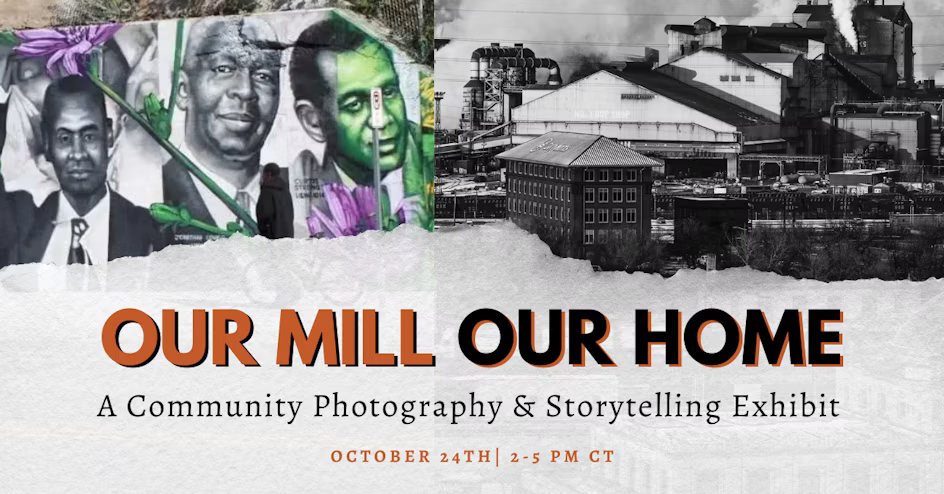
Photos from Past Events
-
![]()
Gary Clean Steel Town Hall
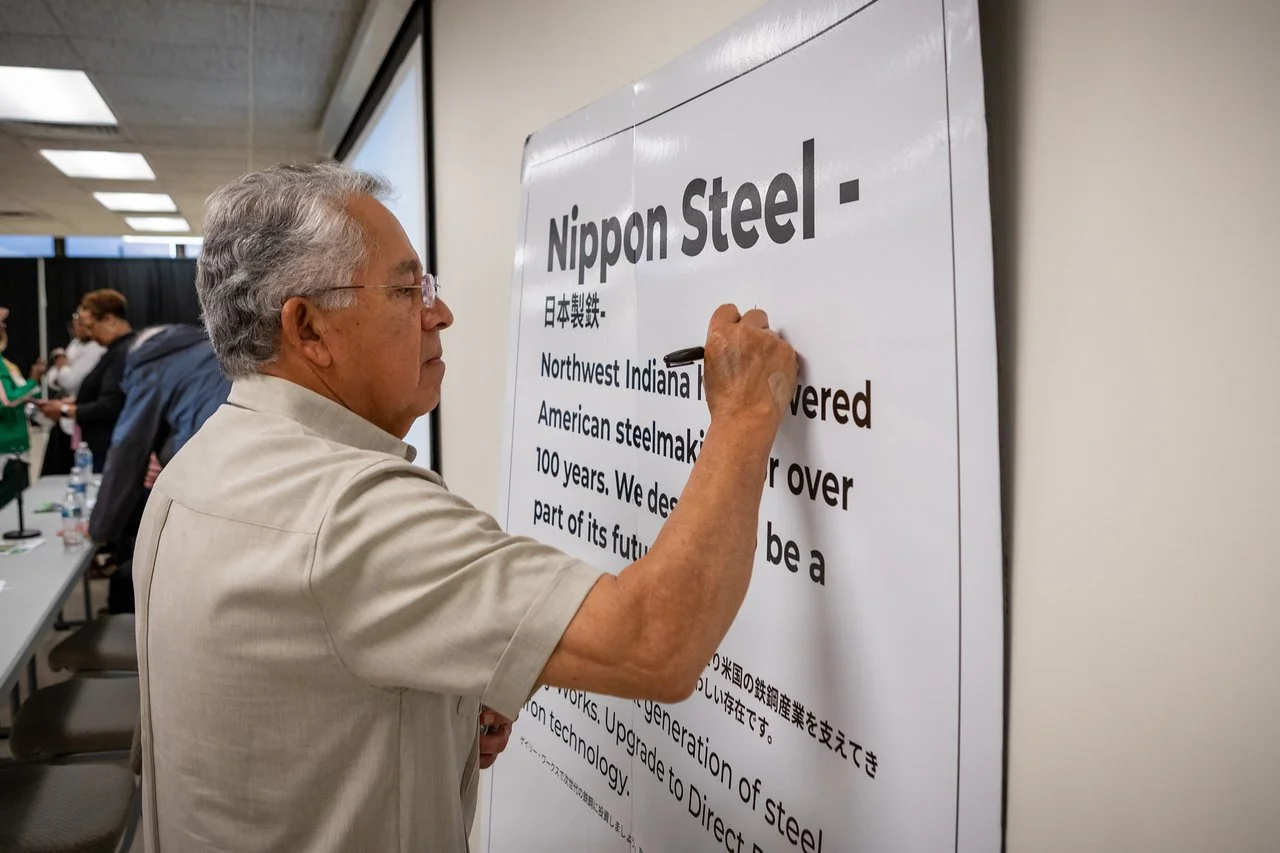
clean steel report
Read this Indiana Conservation Voters-commissioned report from the Indiana University Environmental Resilience Institute and 5 Lakes Energy entitled “Jobs in the Balance: Building Toward a Clean Steel Transition in Indiana.”